What Is Hospital MIS and Why Does It Matter?
A Management Information System (MIS) for hospitals is the structured approach to collecting, processing, and presenting operational and financial data to support administrative decision-making. In the context of Indian hospitals, MIS reporting has traditionally meant monthly Excel reports compiled manually by the accounts department -- a process that is slow, error-prone, and fundamentally backward-looking.
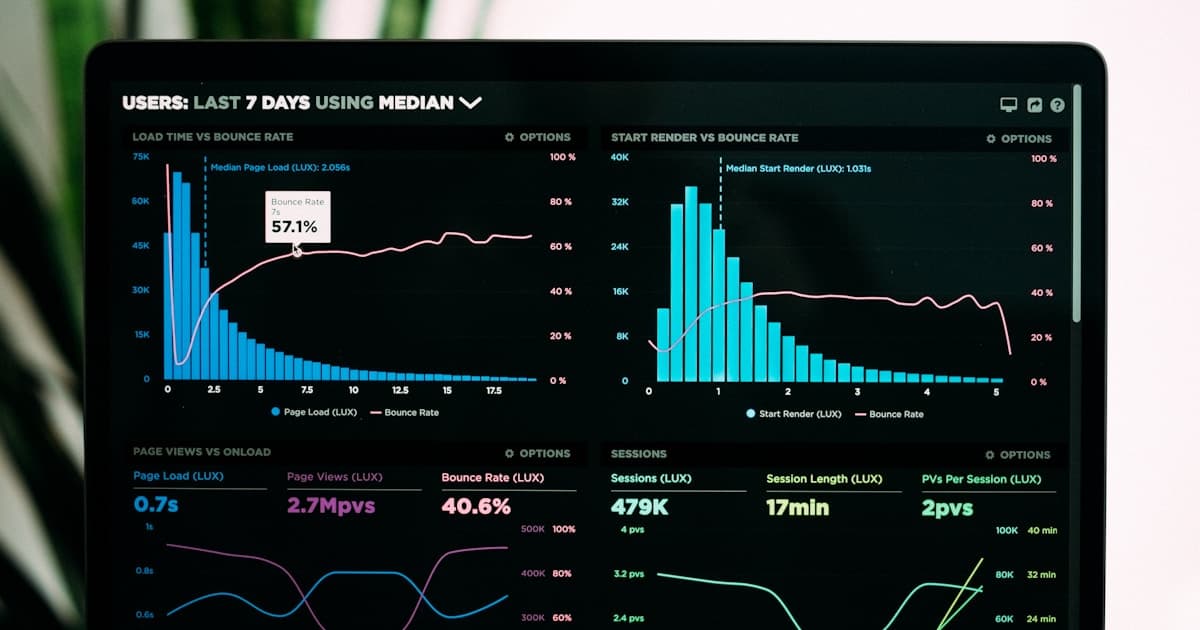
Modern hospital MIS software transforms this paradigm by providing real-time dashboards, automated report generation, and predictive analytics that enable hospital administrators in cities like Mumbai, Delhi, Bengaluru, Chennai, Hyderabad, and Pune to make data-driven decisions when they matter most -- not weeks after the fact.
The difference between a hospital that operates on real-time MIS and one that relies on monthly reports is comparable to driving a car while looking through the windshield versus looking only in the rear-view mirror. Both provide information, but only one enables you to navigate effectively.
GoMeds AI Hospital Management System combined with GoMeds AI Healthcare Analytics Platform delivers comprehensive MIS capabilities that Indian hospital administrators need for operational excellence.
Core MIS Reports Every Indian Hospital Needs
Financial MIS Reports
Daily Revenue Dashboard:
- Total revenue by department (OPD, IPD, pharmacy, lab, radiology)
- Cash, card, UPI, and insurance collection breakdown
- Advances received and refunds processed
- Outstanding receivables aging
- Revenue per bed and revenue per doctor
Monthly Financial Summary:
- Revenue trends compared to previous months and targets
- Department-wise profitability analysis
- Insurance claim submission and settlement status
- Expense categorization and budget variance
- Bad debt and write-off tracking
Accounts Receivable Reports:
- TPA-wise outstanding amounts with aging analysis
- Corporate credit balances with payment due dates
- Patient outstanding dues by department and category
- Collection efficiency ratios
- Cash flow projections based on expected settlements
Operational MIS Reports
Bed Management Reports:
- Real-time bed occupancy by ward, floor, and category
- Average length of stay by department and diagnosis
- Bed turnover rate and interval
- Admission and discharge patterns by time of day and day of week
- ICU utilization and step-down transfer rates
OPD Performance Reports:
- Daily footfall by department and doctor
- New versus follow-up patient ratios
- Average wait time and consultation duration
- OPD-to-admission conversion rates
- Appointment no-show rates and trends
Operating Theatre Reports:
- OT utilization by room and surgeon
- Surgery cancellation rates with reasons
- Average surgical time by procedure type
- OT turnaround time between cases
- Emergency versus planned surgery ratios
For a comprehensive understanding of hospital operations management, read our hospital management system complete guide.
Clinical MIS Reports
Quality Indicators:
- Hospital infection rates by type and department
- Mortality rates (crude and risk-adjusted)
- Readmission rates within 30 days
- Patient fall and pressure injury incidents
- Medication error rates and near-miss frequency
Department-Specific Reports:
- Laboratory turnaround times and test volumes
- Radiology equipment utilization and reporting times
- Pharmacy dispensing accuracy and stock-out rates
- Emergency department wait times and throughput
HR and Workforce Reports
Staffing Reports:
- Department-wise staffing levels versus requirements
- Nurse-to-patient ratios by shift
- Doctor productivity metrics (consultations, surgeries, procedures)
- Overtime hours by department and staff category
- Leave patterns and absenteeism trends
Cost Reports:
- Labour cost per patient day
- Staff cost as a percentage of revenue by department
- Temporary and contract staff utilization
- Training investment per employee
Real-Time Dashboards vs Traditional Reports
The Limitations of Traditional MIS
Traditional MIS in Indian hospitals suffers from fundamental limitations:
- Data delay: Monthly reports arrive 7-15 days after the period ends, making the data weeks old by the time it reaches administrators
- Manual compilation: Staff spend hours extracting data from multiple systems, creating spreadsheets, and formatting reports
- Error risk: Manual data handling introduces transcription errors, formula mistakes, and inconsistencies
- Static snapshots: Reports capture a single moment and cannot be drilled into for deeper analysis
- Limited distribution: Physical or emailed reports reach a small audience and are rarely referred to after initial review
The Real-Time Dashboard Advantage
Modern MIS dashboards address every limitation of traditional reporting:
- Live data: Dashboards update in real-time or near-real-time as transactions occur in the HMS
- Automated generation: Reports compile themselves from integrated system data without manual intervention
- Interactive exploration: Administrators can drill down from hospital-level metrics to department, doctor, or patient-level details
- Mobile access: Key metrics available on smartphones for administrators and department heads on the move
- Alert-driven: Automatic notifications when metrics breach predefined thresholds (occupancy drops below 60%, collections fall below daily target)
- Historical comparison: Built-in trend analysis showing performance over time with seasonal adjustments
Building an Effective Hospital MIS Framework
Step One: Define Key Performance Indicators
Not every metric deserves dashboard space. Focus on KPIs that drive decisions:
Top-Ten KPIs for Indian Hospital Administrators:
| KPI | Target Range | Frequency |
|---|---|---|
| Bed occupancy rate | 70-85% | Real-time |
| Average length of stay | Specialty-dependent | Daily |
| Revenue per occupied bed | Hospital-dependent | Daily |
| OPD footfall | Versus target | Daily |
| Insurance claim settlement time | Under 30 days | Weekly |
| Patient satisfaction score | Above 4.2 out of 5 | Monthly |
| Hospital infection rate | Under 2% | Monthly |
| OT utilization | 70-80% | Daily |
| Pharmacy stock-out rate | Under 1% | Daily |
| Employee turnover rate | Under 15% annually | Monthly |
Step Two: Establish Data Collection Points
Every MIS report is only as good as the data feeding it. Ensure your HMS captures data at every critical point:
- Registration desk (patient demographics, visit type)
- Billing counters (charges, payments, receipts)
- Nursing stations (vitals, assessments, medication administration)
- Laboratories (test orders, results, turnaround times)
- Pharmacy (prescriptions, dispensing, inventory transactions)
- Operating theatres (scheduling, start/end times, personnel)
- Emergency department (arrival times, triage, disposition)
Step Three: Configure Role-Based Access
Different stakeholders need different views:
- CEO/Director: Hospital-wide financial and operational summary
- Medical Director: Clinical quality indicators and physician performance
- Finance Head: Revenue, collections, receivables, and expense analysis
- Nursing Director: Staffing metrics, quality indicators, patient outcomes
- Department Heads: Department-specific operational and financial metrics
- Board Members: Strategic KPIs with trend analysis and benchmarking
Step Four: Automate Report Distribution
Schedule automated report delivery to ensure the right people see the right data:
- Daily flash reports emailed at 8 AM with previous day's summary
- Weekly performance summaries delivered every Monday
- Monthly comprehensive MIS packages generated on the first working day
- Exception reports triggered immediately when KPIs breach thresholds
Advanced MIS Capabilities
Predictive Analytics
Moving beyond descriptive MIS to predictive analytics:
- Revenue forecasting: Predict monthly revenue based on current booking patterns and seasonal trends
- Demand prediction: Forecast admission volumes by department and plan staffing accordingly
- Cash flow projection: Predict cash flow based on billing patterns and TPA settlement timelines
- Equipment failure prediction: Anticipate equipment maintenance needs before breakdowns occur
Benchmarking
Compare your hospital's performance against industry standards:
- Specialty-wise length of stay benchmarks
- Revenue per bed benchmarks for hospital size and location
- Infection rate benchmarks against national data
- Operating theatre utilization benchmarks
- Cost-per-patient-day comparisons
Learn more about advanced analytics capabilities in our guide on AI-powered healthcare analytics.
Custom Report Builder
Empower administrators to create ad-hoc reports without IT dependency:
- Drag-and-drop report designer
- Flexible date range selection
- Multi-parameter filtering
- Export to Excel, PDF, and PowerPoint formats
- Scheduled delivery of custom reports
Cost of Hospital MIS Software
| Deployment Model | Monthly Cost (INR) | Best For |
|---|---|---|
| Basic MIS (part of HMS) | Included in HMS license | Hospitals with standard reporting needs |
| Advanced Analytics Add-On | 15,000 - 40,000 | Hospitals wanting predictive analytics |
| Enterprise BI Platform | 40,000 - 1,00,000 | Large hospitals and chains needing custom dashboards |
Most hospital management systems include basic MIS reporting. Advanced analytics, custom dashboards, and predictive capabilities are available as add-on modules or through dedicated healthcare analytics platforms.
Implementation Best Practices
Start with Financial MIS
Financial reports deliver immediate value and establish data discipline:
- Configure daily revenue and collection reports first
- Set up accounts receivable aging and TPA tracking
- Implement department-wise profitability reporting
- Add budget variance and financial forecasting
Add Operational Reports Incrementally
Once financial MIS is stable, expand to operational metrics:
- Bed management and occupancy tracking
- OPD and emergency department throughput
- Operating theatre utilization
- Department-specific performance metrics
Invest in Data Quality
MIS output quality depends entirely on input data quality. Establish data entry standards, conduct regular data audits, and address inconsistencies promptly.
Train Report Consumers
The most sophisticated MIS is useless if administrators do not know how to interpret and act on the data. Conduct regular training on dashboard usage, KPI interpretation, and data-driven decision-making.
For related insights on hospital billing and revenue management, see our guide on hospital billing software in India.
Ready to transform your healthcare business?
See how GoMeds AI can automate your operations, reduce costs, and improve patient outcomes with a personalized demo.
Tags
Written by GoMeds AI Team
Published on 21 March 2026