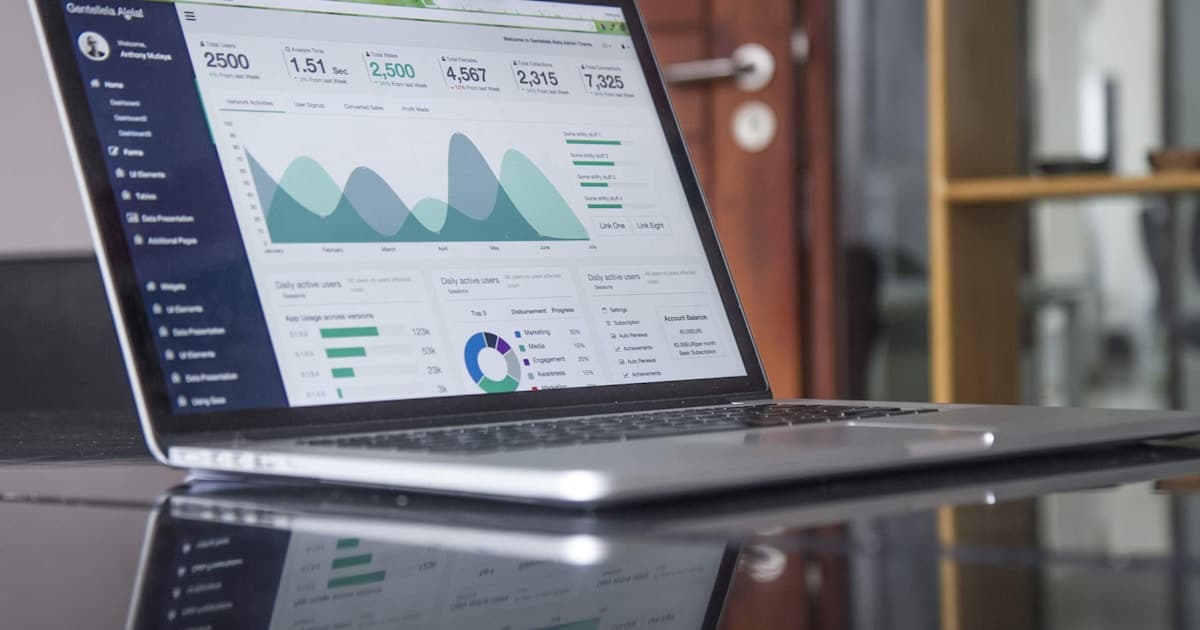
Every hospital is already drowning in data — every admission, bill, lab result, and bed-day generates it. The problem is almost never a lack of data; it is that the data sits in separate systems, in different formats, describing yesterday, useless for today's decision. A hospital data analytics platform solves that: it unifies the hospital's data and turns it into insight that people actually act on. This guide explains what such a platform does, the analytics it enables, and how to choose one that gets used rather than ignored.
This is the foundation post for a cluster — KPI dashboards, business intelligence, predictive analytics, and MIS reporting are all layers that sit on top of the platform described here, and each is covered in its own guide below.
What a Data Analytics Platform Actually Is
The platform is the layer that makes analytics possible: it collects data from across the hospital, unifies it into one trustworthy source, and serves it as dashboards, reports, and analysis. Without this foundation, every "report" is a manual export-and-reconcile exercise, and no two numbers agree. With it, there is one version of the truth, current, that everything else draws on.
The Three Kinds of Hospital Analytics
A complete platform supports three families of analytics from the same data:
- Operational — occupancy, patient flow, turnaround times, OPD/IPD volumes, department performance
- Financial — revenue, payer mix, revenue leakage, cost per case, receivables
- Clinical — outcomes, quality indicators, readmission and infection rates
The power is in having all three on one foundation, so a question that spans them — "which departments are busiest, most profitable, and safest?" — can actually be answered.
How It Relates to the Rest of the Cluster
People conflate these terms; here is the clean hierarchy, each with its own guide:
| Layer | What it is |
|---|---|
| Data analytics platform (this guide) | The foundation that unifies and serves data |
| KPI dashboards | Tracking the chosen metrics that matter |
| Business intelligence | Interactive, self-service analysis for decisions |
| Predictive analytics | Forecasting what happens next |
| MIS reporting | Routine, standardised management reports |
They are layers, not rivals — all standing on the platform.
What Makes It Get Used (and What Kills It)
The graveyard of hospital analytics is full of dashboards no one opens. The difference between used and ignored comes down to:
- Trustworthy, live data — from one source, current; if people doubt the numbers, they stop looking
- Readable by non-technical managers — clarity over cleverness
- The few metrics that matter — not hundreds of charts
- Integration — it must draw live from the hospital information system, or it goes stale
Analytics is only valuable when it changes a decision. Design for that, not for the demo.
How to Choose
- One unified data source across operational, financial, clinical.
- Live integration with your hospital system.
- Clear dashboards a manager can read unaided.
- Room for all layers — KPIs, BI, prediction, MIS.
- Governance — accurate, access-controlled, auditable data.
A hospital that runs on evidence outperforms one that runs on memory. To see operational, financial, and clinical analytics on one platform fed by your live data, our healthcare analytics platform is built for it — book a demo.
Frequently Asked Questions
Related software
Ready to transform your healthcare business?
See how GoMeds AI can automate your operations, reduce costs, and improve patient outcomes with a personalized demo.
Tags
Written by Sneha Kapoor
Published on 3 May 2026