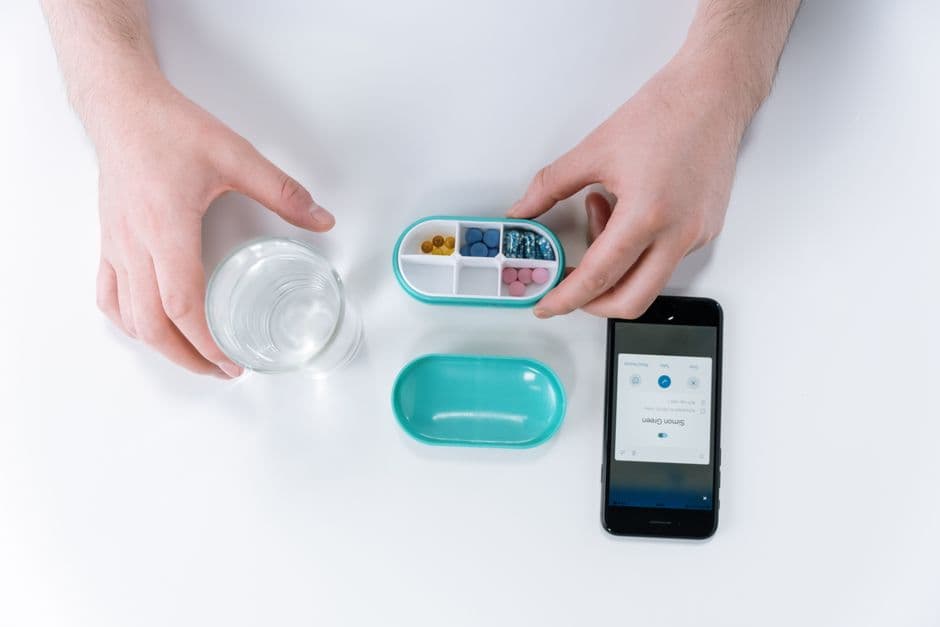
One of the quietest failures in healthcare is not a wrong diagnosis or a bad prescription — it is the correct prescription that the patient simply does not take. For chronic conditions, a large share of patients stop taking their medicines as prescribed within months. The consequence is worse health, avoidable complications and hospitalisations, and, for pharmacies, lost repeat business. AI medication adherence software exists to close that gap — gently, and at scale.
The Size of the Problem
Adherence to long-term medication is poor everywhere, and India is no exception. Patients forget, run out and do not refill, stop when they feel better, or lapse quietly because nothing prompts them to continue. For a diabetic, a hypertensive, or a cardiac patient, that lapse is not harmless — it leads directly to complications that are far more expensive and dangerous than the medicine would have been. The tragedy is that the treatment was correct; the follow-through failed.
Why Simple Reminders Aren't Enough
Basic reminders help a little, but blasting every patient the same generic "take your medicine" message quickly becomes noise that people tune out. The improvement AI brings is in targeting and timing:
- Right timing — a refill nudge sent when the patient is actually about to run out, based on their prescription and last purchase, not on a blunt fixed schedule
- Right patient — identifying who is at risk of dropping off, so extra effort goes where it matters
- Right message and channel — personalised and delivered where the patient will see it, which in India means WhatsApp above all
- Flagging lapses — spotting a chronic patient who has not refilled and prompting the clinic or pharmacy to reach out
This turns adherence support from generic spam into genuinely helpful, well-timed nudges — the difference between being ignored and being useful.
It Helps the Patient and the Business
Adherence is one of those rare wins that aligns health and commerce cleanly. For the patient, staying on treatment means better outcomes and fewer complications. For the pharmacy, a chronic patient who refills on time is steady, predictable repeat revenue — and a patient who feels looked after stays loyal. For the clinic, better adherence means better results to show for their care and fewer avoidable escalations. Improving adherence is that unusual thing: good for everyone involved.
Consent and Tone Matter
Because adherence support means messaging patients, it must be done right. Communication needs a lawful basis, and promotional messaging needs consent under the DPDP Act, with an easy way to opt out. Just as important is tone — adherence nudges must feel like care, not nagging or marketing. A helpful, respectful, well-timed reminder gets welcomed; a barrage of generic messages gets the number blocked. Good software treats consent and tone as core, not afterthoughts.
It Works Connected to the Record
Adherence intelligence depends on knowing the patient's actual prescriptions and refill history — which lives in the pharmacy and clinic systems. A refill nudge timed to when medicines run out, or a flag that a chronic patient has lapsed, only works when the software can see the real prescription and purchase data. A standalone reminder app disconnected from that data is back to generic spam. Connected to the record, adherence support becomes precise and genuinely helpful.
The Bottom Line
The correct prescription that goes untaken is a huge, quiet source of harm and waste in healthcare. AI medication adherence software closes the gap with timely, personalised, consented nudges — refill reminders when patients actually run out, follow-ups for those at risk of lapsing, and alerts when a chronic patient drops off. It improves outcomes for patients and repeat revenue for pharmacies at the same time, provided it stays helpful in tone and connected to real prescription data.
To see adherence support built on real pharmacy and clinic data, explore GoMeds pharmacy management software or request a demo.
Frequently Asked Questions
Related software
Ready to transform your healthcare business?
See how GoMeds AI can automate your operations, reduce costs, and improve patient outcomes with a personalized demo.
Tags
Written by Kavita Patel
Published on 13 July 2026