Why Healthcare Businesses in India Need Business Intelligence
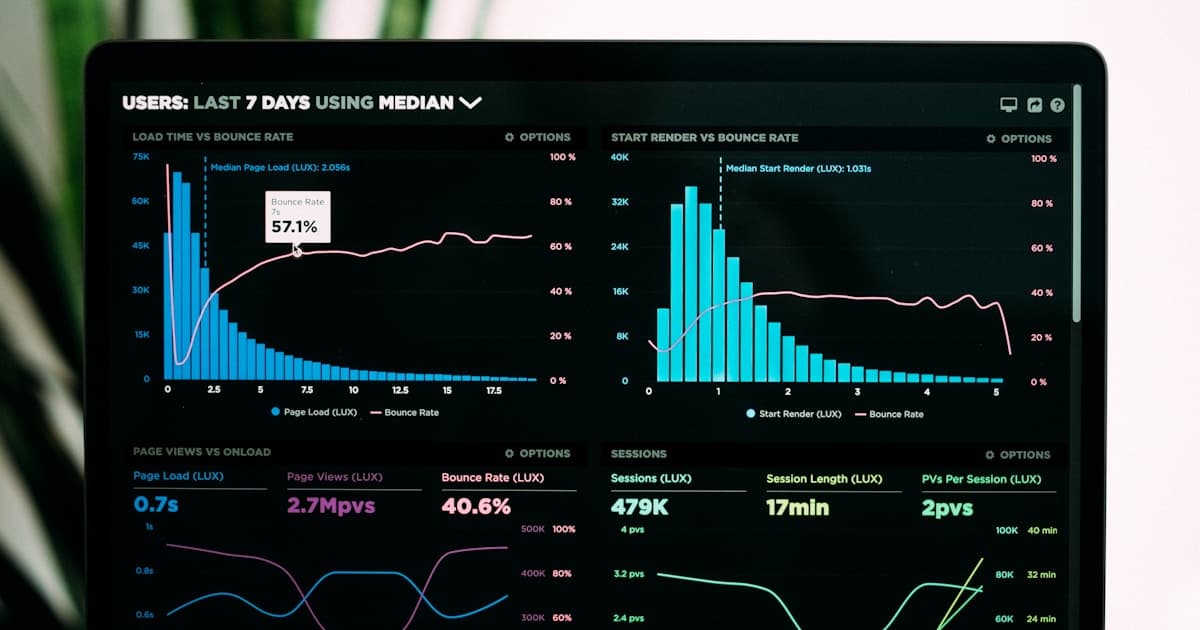
Healthcare business intelligence software in India is transforming how hospitals, clinics, and pharmacy chains make decisions. The Indian healthcare sector generates massive volumes of data daily -- patient footfall, revenue transactions, inventory movements, lab test volumes, insurance claims, and staff productivity metrics. Yet an estimated 85% of Indian healthcare organisations make strategic decisions based on gut feeling and outdated monthly Excel reports rather than real-time data analytics.
This data blindness has a real cost. A 200-bed hospital in Pune discovered through BI analysis that it was losing INR 45 lakh annually from unbilled procedures -- charges that were delivered but never captured in the billing system. A pharmacy chain in Hyderabad found that 30% of their stock investment was tied up in slow-moving SKUs that could be redeployed. These are insights that spreadsheets simply cannot deliver.
GoMeds AI Healthcare Analytics Platform provides purpose-built business intelligence for Indian healthcare organisations, turning raw operational data into actionable insights that drive revenue and reduce waste.
What Is Healthcare Business Intelligence?
Healthcare BI is the practice of collecting, integrating, and analysing data from across your healthcare organisation to produce insights that improve clinical outcomes, operational efficiency, and financial performance.
Unlike generic BI tools (Tableau, Power BI) that require extensive customisation for healthcare, purpose-built healthcare BI software comes pre-configured with:
- Healthcare-specific metrics -- bed occupancy, average length of stay, revenue per bed, patient acquisition cost
- Compliance dashboards -- NABH indicators, infection control metrics, mortality rates
- Financial analytics -- revenue cycle management, insurance claim tracking, cost per procedure
- Operational analytics -- staff productivity, equipment utilisation, supply chain efficiency
Core Features of Healthcare BI Software
1. Unified Data Integration
Healthcare data sits in silos -- the HMS, pharmacy system, lab system, and accounting software each hold critical pieces:
- Automatic data ingestion from hospital management systems, pharmacy, lab, and billing
- Real-time synchronisation -- dashboards update as transactions happen
- Data cleansing -- standardise inconsistent entries across systems
- Historical data import for trend analysis across months and years
2. Executive Dashboards
At-a-glance visibility for leadership:
- Revenue dashboard -- daily collections, monthly trends, department-wise contribution
- Patient dashboard -- footfall, new vs. returning, department-wise distribution
- Operational dashboard -- bed occupancy, OT utilisation, average wait times
- Financial dashboard -- profit margins, cost trends, cash flow
3. Department-Level Analytics
Each department head needs specific insights:
OPD:
- Patient volume by doctor, time slot, and day of week
- Average consultation time and patient satisfaction
- No-show rates and cancellation patterns
- New patient acquisition sources
IPD:
- Bed occupancy rates by ward and category
- Average length of stay by diagnosis
- Discharge planning efficiency
- Readmission rates
Pharmacy:
- Sales trends by category and brand
- Inventory turnover and dead stock identification
- Margin analysis by product
- Pharmacy sales analytics integration
Laboratory:
- Test volume trends by category
- Turnaround time analysis
- Revenue per test category
- Referral source tracking
4. Financial Intelligence
Revenue cycle management for healthcare:
- Revenue leakage detection -- unbilled services, missed charges, incorrect pricing
- Insurance analytics -- claim approval rates, average settlement time, rejection reasons
- Cost-per-patient analysis -- true cost of treating specific conditions
- Department profitability -- contribution margin by service line
- Accounts receivable ageing -- outstanding payments by duration and source
5. Predictive Analytics
Moving from descriptive to predictive insights:
- Patient volume forecasting for staffing and resource planning
- Revenue prediction based on historical patterns and seasonal trends
- Inventory demand forecasting to prevent stockouts and overstock
- Disease trend prediction for public health preparedness
Read our detailed guide on AI-powered healthcare analytics for more on predictive capabilities.
Healthcare BI for Different Organisation Types
Hospitals (50-500 beds)
Key BI needs:
- Bed occupancy optimisation -- even 5% improvement in a 200-bed hospital = INR 15-20 lakh additional annual revenue
- OT utilisation -- maximise surgical suite throughput
- Revenue cycle management -- reduce days in accounts receivable
- Quality indicators for NABH compliance
ROI example: A 150-bed hospital in Chennai used BI to identify that its ENT department had 40% under-utilisation on Wednesdays. Shifting outreach clinics to that slot generated INR 12 lakh additional annual revenue.
Multi-Specialty Clinic Chains
Key BI needs:
- Branch-wise performance comparison
- Doctor productivity benchmarking
- Patient flow analysis across locations
- Marketing ROI by channel and location
Explore how clinic management software integrates with analytics.
Pharmacy Chains
Key BI needs:
- Store-wise sales and profitability
- Category performance analysis
- Inventory optimisation across stores
- Customer purchase pattern analysis
Diagnostic Lab Networks
Key BI needs:
- Test volume and revenue by collection centre
- Turnaround time benchmarking
- Referral doctor analytics
- Home collection performance
Implementation Approach
Phase 1: Data Foundation (Weeks 1-4)
- Connect data sources (HMS, pharmacy, lab, billing)
- Validate data quality and address gaps
- Configure standard dashboard templates
- Train leadership on dashboard navigation
Phase 2: Department Dashboards (Weeks 5-8)
- Deploy department-specific dashboards
- Configure KPI targets and alerts
- Train department heads on interpretation and action
- Establish data-driven review meeting cadence
Phase 3: Advanced Analytics (Months 3-6)
- Enable predictive analytics modules
- Configure custom reports for specific business questions
- Integrate external data (market benchmarks, competitor analysis)
- Develop ROI tracking for BI-driven decisions
Cost of Healthcare BI in India
| Organisation Size | Monthly Cost | Includes |
|---|---|---|
| Single clinic/lab | INR 2,000-5,000 | Basic dashboards, core metrics |
| Small hospital (50-100 beds) | INR 8,000-15,000 | Department analytics, financial BI |
| Medium hospital (100-300 beds) | INR 15,000-30,000 | Advanced analytics, predictive models |
| Hospital chain/network | INR 30,000-75,000 | Enterprise BI, multi-site comparison |
Getting Started with GoMeds Analytics
GoMeds AI Healthcare Analytics Platform provides pre-built healthcare BI dashboards that connect directly with GoMeds HMS, pharmacy, lab, and clinic modules. For organisations using other systems, GoMeds offers data integration connectors.
See how data-driven decisions transformed outcomes in our SwasthyaData Analytics case study.
Request a free demo to see your data transformed into insights.
Ready to transform your healthcare business?
See how GoMeds AI can automate your operations, reduce costs, and improve patient outcomes with a personalized demo.
Tags
Written by GoMeds AI Team
Published on 15 March 2026