Last month, I visited a 120-bed hospital in Coimbatore that had just spent Rs 18 lakh on a hospital management system. The OPD registration module worked. The billing module worked. Everything else? The nurses were still using paper charts. The pharmacy had gone back to their old software. And the lab had never been connected in the first place.
"We bought the Rolls Royce," the hospital administrator told me, "but we are still driving a bullock cart."
This is the reality of HMS implementations in India that nobody writes about. The software brochures make everything look seamless. The actual experience? It depends entirely on what you buy, who implements it, and — most importantly — whether your staff will actually use it.
Let me walk you through what I have learned from watching hospitals get this right, and get it very, very wrong.
What a Hospital Management System Actually Does
Strip away the marketing, and an HMS does three things:
- Connects every department so patient information flows automatically — from registration to consultation to lab to pharmacy to billing to discharge
- Captures everything digitally so you have records, audit trails, and data instead of paper files
- Automates repetitive workflows so your staff spend time on patients, not on paperwork
That is it. If your HMS does these three things well, you are ahead of 80% of hospitals in India.

The Modules That Actually Matter (And the Ones That Do Not)
Every HMS vendor will show you a list of 30+ modules. Most hospitals use five or six regularly. Here is what matters from Day 1:
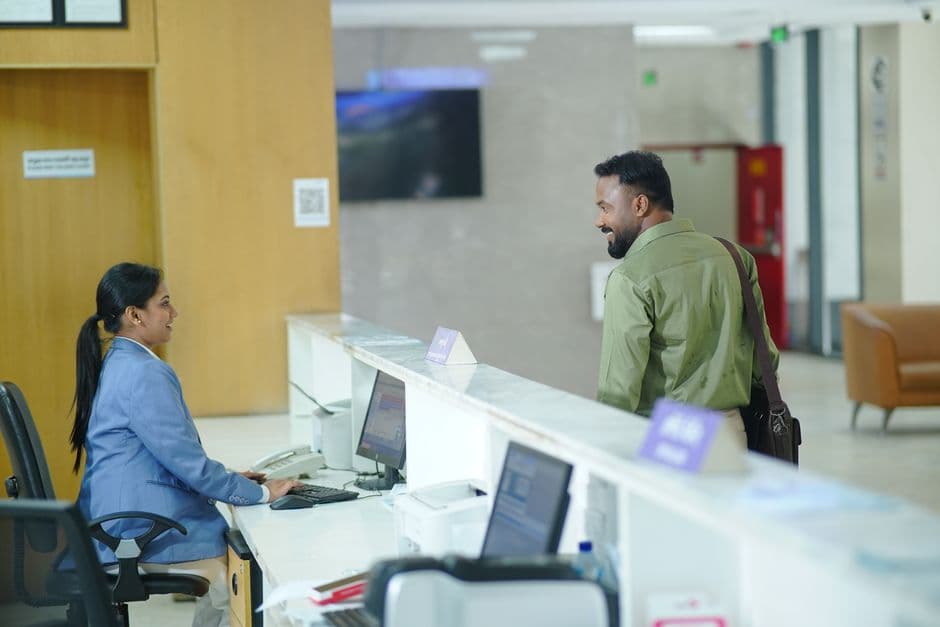
Registration and OPD — The Front Door
This is where most patients form their first impression. A good OPD module handles:
- Quick registration — new patient in under 60 seconds, returning patient in 10 seconds with a search
- Token and queue management — digital displays showing queue status, average wait times
- Doctor scheduling — which doctors are available, which slots are open, who is running late
- ABHA integration — Ayushman Bharat Health Account linking for government scheme patients
If your registration takes five minutes and involves filling three forms, you are losing patients to the hospital down the road. Period.
IPD and Bed Management — Where Money Is Made or Lost
Inpatient care is where hospitals make their revenue, and it is also where the most chaos lives:
- Bed dashboard — real-time view of which beds are occupied, which are being cleaned, which are available. Colour-coded, filterable by ward and type
- Admission and discharge workflows — structured processes that capture everything from pre-admission assessments to discharge summaries
- Nursing notes — digital documentation that travels with the patient, not pinned to a clipboard at the foot of the bed
- Diet and housekeeping coordination — yes, these matter. A clean room ready within 30 minutes of discharge means you can admit the next patient faster
I have seen hospitals increase their bed turnover rate by 15% to 20% simply by making discharge processes digital. When the doctor clicks "ready for discharge," billing gets notified, pharmacy prepares take-home medicines, and housekeeping gets a cleaning alert. All automatic.
Billing and Revenue Cycle — Stop Leaking Money
Hospital billing is absurdly complex compared to any other business. You are billing for:
- Doctor consultations at different rates for different specialties
- Procedures with different pricing for general ward, semi-private, and private rooms
- Medicines and consumables used during the stay
- Lab tests and diagnostic procedures
- Nursing charges, OT charges, anaesthesia charges
- Insurance and TPA deductions with different rates for different providers
A mid-sized hospital doing Rs 5 crore in annual revenue can easily leak Rs 25 to Rs 60 lakh through unbilled consumables, incorrect insurance coding, and missed charges. That is not a hypothetical — I have seen the audit reports.
Good HMS billing captures charges at the point of use. When a nurse uses a syringe, it gets recorded. When the doctor orders a test, it goes to billing automatically. Nothing falls through the cracks.

Pharmacy and Lab Integration — The Make-or-Break Modules
Here is where most HMS implementations fail. The pharmacy and lab are often the departments most resistant to change because they already have working systems.
For pharmacy integration to work, you need:
- Ward-wise indent and dispensing (not just retail counter billing)
- Drug formulary management with the hospital's approved medicine list
- Medication Administration Records (MAR) linked to doctor orders
- Automated stock alerts when ward stocks run low
For lab integration to work, you need:
- Orders flowing directly from the doctor's screen to the lab
- Results flowing back to the patient file without anyone retyping numbers
- Analyser interfacing — the lab machine talks to the software directly
- Critical value alerts that notify the treating doctor immediately
If your vendor says "we will integrate with your existing lab system" but cannot show you a working example, be very cautious. Integration is where promises die.
The NABH Question
If your hospital is pursuing or maintaining NABH accreditation, your HMS becomes your compliance backbone. NABH requires:
- Patient safety incident reporting with root cause tracking
- Medication error documentation
- Consent management with proper audit trails
- Quality indicator monitoring (infection rates, readmission rates, mortality indices)
- Credential verification for all clinical staff
You can do all of this on paper. Hospitals did it for years. But maintaining NABH compliance manually requires two to three full-time staff members just for documentation. A good HMS makes it a byproduct of normal workflows — data gets captured as part of daily operations and flows into compliance reports automatically.
For a deep dive into what NABH requires from your software, check our NABH accreditation software guide.
How Much Should You Actually Spend?
This is the question everyone wants answered and nobody wants to talk about honestly. So here are real numbers:
| Hospital Size | Implementation Cost | Annual Maintenance | Timeline |
|---|---|---|---|
| 30–50 beds (nursing home) | Rs 5–10 lakh | Rs 1.5–3 lakh/year | 6–8 weeks |
| 100–200 beds | Rs 15–30 lakh | Rs 4–8 lakh/year | 3–4 months |
| 300–500 beds | Rs 40–80 lakh | Rs 10–20 lakh/year | 6–9 months |
| 500+ beds (enterprise) | Rs 1–3 crore | Rs 25–50 lakh/year | 9–18 months |
These numbers include software, hardware (terminals, printers, barcode scanners), implementation services, training, and data migration. They do not include custom development, which can add 30% to 50% to the cost.
The biggest mistake I see: Hospitals that buy a Rs 50 lakh system but allocate Rs 0 for training. Your software is only as good as the people using it. Budget at least 15% of your implementation cost for training. Not a one-day workshop — ongoing, role-based training that continues for three to six months after go-live.
Cloud vs. On-Premise: The Real Trade-offs
This used to be a heated debate. In 2026, the answer is simpler:
Go cloud if:
- You are a hospital under 200 beds
- You do not have an in-house IT team
- You want lower upfront costs (pay monthly instead of a big lump sum)
- You are okay with your data being on the vendor's servers (all reputable vendors use Indian data centres now)
Consider on-premise if:
- You are a large hospital (300+ beds) with a dedicated IT team
- You have specific data sovereignty requirements
- Your internet connectivity is unreliable (though this is becoming rare)
- You need deep customisation that cloud platforms cannot support
Most hospitals in the 50 to 200 bed range are going cloud today. The economics make sense, and the reliability has improved dramatically.

The Implementation Mistakes That Kill Projects
I have watched HMS projects fail at hospitals that had the budget, the leadership buy-in, and the right software. Here is what went wrong:
Mistake 1: Big Bang Go-Live
Going live across all departments on the same day is heroic and almost always disastrous. Something will break. When everything breaks simultaneously, there is no fallback.
What works: Phased rollout. Start with registration and OPD (Week 1–2). Add billing (Week 3–4). Then IPD (Month 2). Then pharmacy and lab (Month 3). Each phase stabilises before the next one begins.
Mistake 2: Ignoring the Nurses
Doctors will adapt because they see the big picture. Administrators will push because they bought the system. Nurses? They are the ones who use the system eight to twelve hours a day, and they are the ones nobody trains properly.
What works: Assign a "super user" nurse on every floor. Train them thoroughly. They become the go-to person for their colleagues. Peer training beats vendor training every time.
Mistake 3: Not Cleaning Your Data First
If you are migrating from an old system or from paper records, data quality matters enormously. Duplicate patient records, inconsistent doctor names, outdated rate lists — these will haunt you in the new system.
What works: Spend two to three weeks before go-live cleaning and standardising your master data. Doctor list, medicine formulary, service rate list, insurance panel list. Boring but essential.
Mistake 4: Choosing Based on the Demo
Every HMS looks great in a demo. The demo environment has perfect data, zero load, and a trained presenter clicking the right buttons.
What works: Ask for reference sites. Visit a hospital of similar size that has been using the software for at least one year. Talk to the registration staff, not the administrator. They will tell you the truth.
The Ayushman Bharat and ABDM Factor
If your hospital treats Ayushman Bharat patients, your HMS needs to integrate with the PM-JAY portal for:
- Beneficiary verification
- Pre-authorisation requests
- Package-based billing at PMJAY rates
- Claim submission and tracking
Additionally, the Ayushman Bharat Digital Mission (ABDM) is rolling out nationwide. Your HMS should support ABHA ID creation, Health Information Exchange, and Unified Health Interface protocols. This is not optional anymore — it is becoming a prerequisite for government empanelment.
My Honest Recommendation
If you are running a hospital in India in 2026 without a proper management system, you are competing with one hand tied behind your back. Revenue leakage, compliance risk, and patient experience gaps will only grow.
But please do not buy software because a salesperson showed you a flashy demo. Buy it because you visited a reference hospital, talked to the staff, tested the billing speed, and confirmed that the vendor will be around to support you next year.
If you want to see what a modern, India-built HMS looks like, GoMeds AI Hospital Management System is built specifically for Indian hospitals — OPD, IPD, OT, pharmacy, lab, billing, and NABH compliance in one platform. You can request a demo and test it with your own hospital's workflows.
Further Reading
To go deeper on specific parts of this topic:
- How to choose hospital management software: a 12-point framework — turn this overview into a decision
- Hospital management software in India: 2026 buyer's guide — pricing, compliance, and free vs paid
- Hospital information system (HIS) explained — how data flows across departments
- Smart hospital management system — AI, IoT, and automation, realistically
- Hospital ERP explained — when you have outgrown a basic HMS
- Hospital inventory management system — stop stockouts and expiry losses
- OPD & IPD management software — streamlining outpatient and inpatient flows
- Hospital asset management software — track equipment, maintenance, and compliance
- Bed management system — real-time bed status and patient flow
- Emergency department management software — triage and ED flow
- CSSD software — sterile supply traceability
- Hospital ERP for small hospitals — enterprise control, affordably
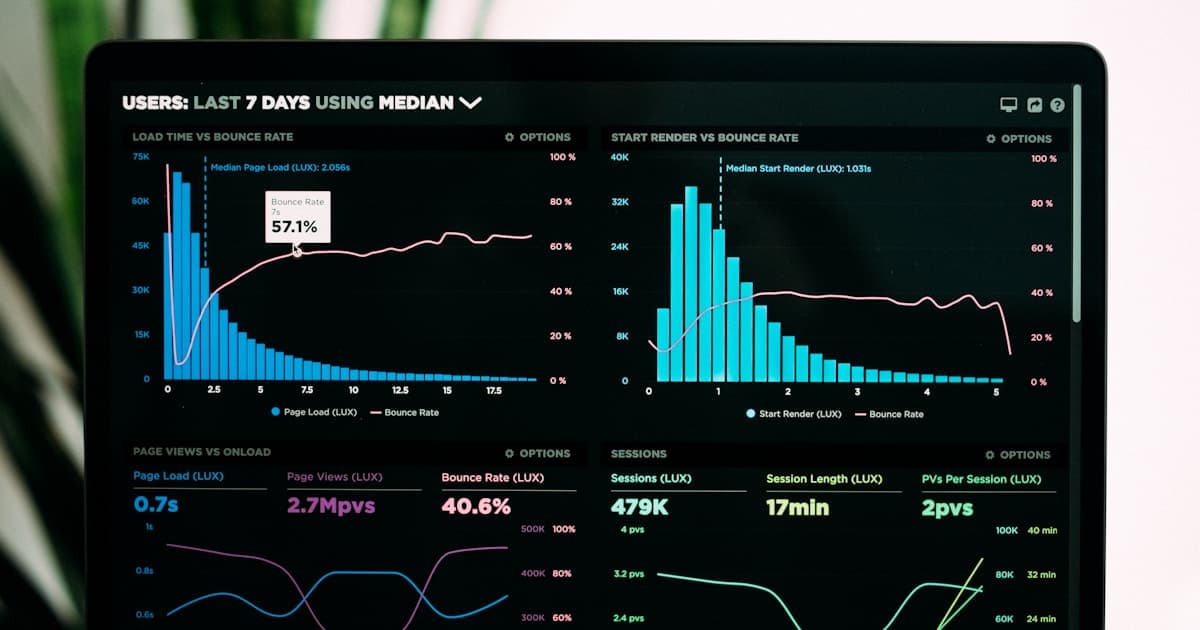
- Hospital data analytics platform — turn data into decisions
- Healthcare KPI dashboards, business intelligence, predictive analytics, and MIS reporting
Dr. Ananya Sharma is a healthcare IT consultant who has led HMS implementations at 40+ hospitals across Tamil Nadu, Karnataka, and Maharashtra over the past decade.
Frequently Asked Questions
Ready to transform your healthcare business?
See how GoMeds AI can automate your operations, reduce costs, and improve patient outcomes with a personalized demo.
Tags
Written by Dr. Ananya Sharma
Published on 12 March 2026