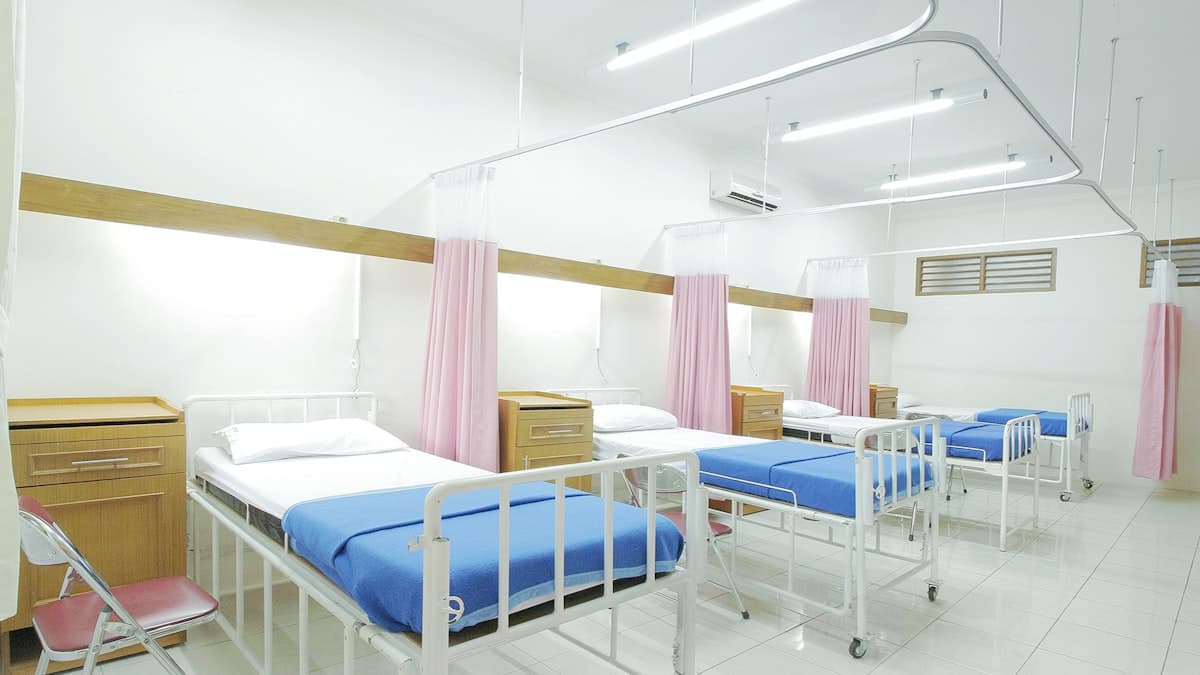
Ask a hospital administrator where the bottleneck is on a busy day and the answer is almost always the same: beds. A patient in the emergency department waits for an inpatient bed that is technically free but not yet cleaned, or is occupied by someone who was discharged hours ago on paper but not in practice. Meanwhile a whiteboard at the nursing station — the supposed source of truth — is already out of date. A bed management system replaces that guesswork with a live, accurate view of every bed, and it is one of the highest-impact operational tools a hospital can deploy.
The Problem With the Whiteboard
Manual bed management fails for a simple reason: the information is always stale. A bed's status changes constantly — occupied, discharged, being cleaned, ready — and a whiteboard or a set of phone calls cannot keep up. The result is a hospital that does not actually know its own availability in real time, which causes:
- ED and OT patients waiting for beds that are free but invisible
- Beds sitting idle between discharge and the next admission
- Phone tag between admissions, wards, and housekeeping
- No data on where the flow actually jams
What a Bed Management System Does
- Real-time bed status — every bed shown as occupied, vacant, cleaning, or reserved, live
- Fast allocation — assign an appropriate bed in seconds, by ward, gender, and category
- Transfer management — move patients between wards with a clear, tracked trail
- Discharge-to-ready cycle — housekeeping notified, turnaround timed, bed released when ready
- Occupancy analytics — utilisation by ward and over time, to plan capacity
The core shift is from "ask around" to "look at the screen" — and the screen is right.
What It Changes
| With a whiteboard | With a bed management system |
|---|---|
| Status always stale | Live, accurate bed view |
| Beds found by phone calls | Assigned in seconds on screen |
| Idle time between patients | Turnaround tracked and shortened |
| No flow data | Occupancy analytics by ward |
| ED/OT patients wait | Beds placed faster |
Hospitals that get this right often discover they had more effective capacity than they thought — the beds existed, the visibility did not.
It's a Patient-Flow Problem, Not Just a Bed Problem
Bed management only delivers fully when connected to the rest of the flow — OPD and IPD, admissions and discharge, housekeeping, and billing — within the hospital management system. When a discharge in the system instantly frees a bed and alerts housekeeping, and the cleaned bed shows ready for the waiting ED patient, the whole hospital moves faster. A standalone bed board that staff must update by hand recreates the very staleness it was meant to fix.
How to Choose
- True real-time status, updated by events (discharge, cleaning) not manual edits.
- Fast, rule-aware allocation (ward, gender, category).
- Housekeeping/turnaround tracking built in.
- Occupancy analytics for capacity planning.
- Integration with admissions, discharge, and billing.
A hospital that can see every bed in real time stops losing hours — and patients — to invisible capacity. To see live bed status and flow on your wards, our hospital management system includes bed management — book a demo.
Frequently Asked Questions
Ready to transform your healthcare business?
See how GoMeds AI can automate your operations, reduce costs, and improve patient outcomes with a personalized demo.
Tags
Written by Dr. Ramesh Iyer
Published on 7 May 2026