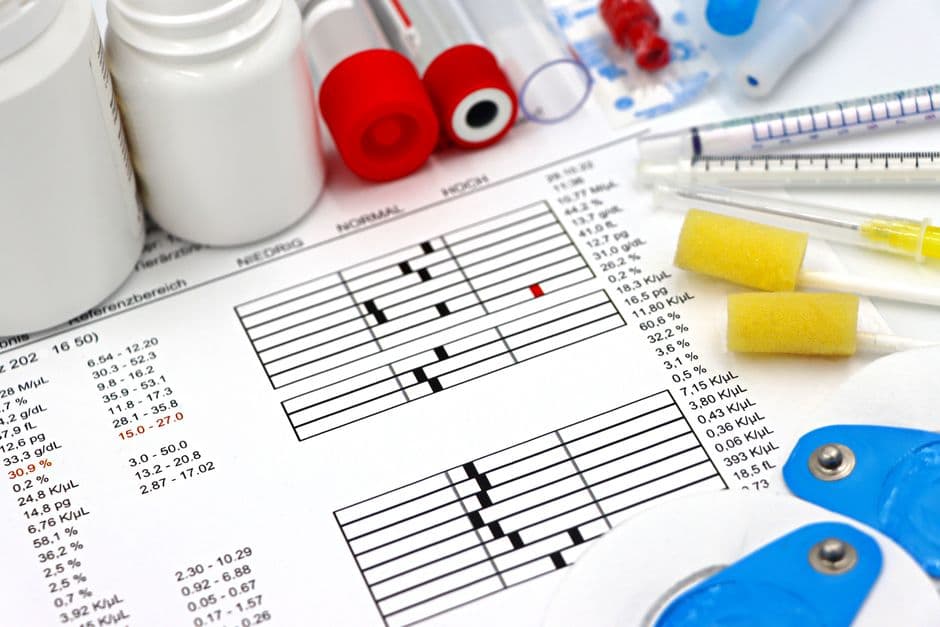
A lab report is a page of numbers that most people — and, on a busy day, even some clinicians — struggle to fully absorb. The critical value can hide among the normal ones; a subtle trend across visits goes unnoticed; a patient stares at their report with no idea what it means. AI lab report interpretation helps on all three fronts: it makes sure the important number is not missed, it sees the pattern across time, and it can help translate the numbers into understanding — while leaving the actual diagnosis firmly with the doctor.
Three Jobs AI Does With a Report
1. Flagging what matters. The most immediately valuable function: the moment a report is produced, AI highlights the abnormal and, crucially, the critical values — the ones that need urgent attention. A dangerous result never sits quietly in a queue waiting to be noticed; it is flagged and escalated automatically.
2. Seeing the trend. A single report is a snapshot. AI compares it against the patient's previous results and related tests in the panel, surfacing trends and inconsistencies a snapshot hides — a value creeping in the wrong direction over months, or a result that does not fit the rest of the picture and may signal an error.
3. Explaining in plain language. For patients, AI can translate the report into plain words — what each result means, which are in range, which are not — turning an intimidating page of numbers into something understandable. This supports patient engagement, with the firm caveat that any clinical decision comes from their doctor, not the explanation.
The Line That Stays Firm
Interpretation is exactly the kind of task where the human-in-charge principle matters most. AI flags, compares, and explains; the doctor interprets in the full clinical context and makes the diagnosis. A flagged value is a prompt to a clinician, not a diagnosis in itself. A plain-language explanation to a patient is information, not medical advice. The value of the AI is that it ensures nothing important is overlooked — not that it takes over the judgement. Kept in that lane, it is a safety net; pushed beyond it, it is a risk.
Why It Reduces Real Harm
Missed critical results are a genuine and recurring source of harm — a dangerous value produced correctly by the lab but not acted on quickly enough. Automatic flagging directly attacks this. When every report is screened the instant it is generated and criticals are escalated, the window where a dangerous result goes unnoticed shrinks dramatically. That is a concrete safety improvement, not a marketing claim.
It Depends on Connected Data
Interpretation gets its power from context, and context means data. Flagging criticals needs reference ranges; spotting trends needs the patient's history; catching inconsistencies needs the related results — all of which must live in one connected system. That is why report interpretation belongs inside the diagnostic lab software, where results, history, and reference ranges sit together. A tool interpreting a report in isolation, without the patient's prior results, is working half-blind. Layered with a healthcare analytics platform, labs can also track turnaround and quality over time.
The Bottom Line
AI lab report interpretation makes reports safer and more useful — flagging critical values so they are never missed, revealing trends a single snapshot hides, and helping patients understand their results. It does all this in support of the doctor, who remains responsible for the diagnosis. The safety gain, especially from automatic critical-value flagging, is real and concrete, and it grows stronger the more connected the underlying lab data is.
To see report interpretation and critical-value alerts built into lab reporting, explore GoMeds diagnostic lab software or request a demo.
Frequently Asked Questions
Related software
Ready to transform your healthcare business?
See how GoMeds AI can automate your operations, reduce costs, and improve patient outcomes with a personalized demo.
Tags
Written by Dr. Priya Nair
Published on 8 March 2026