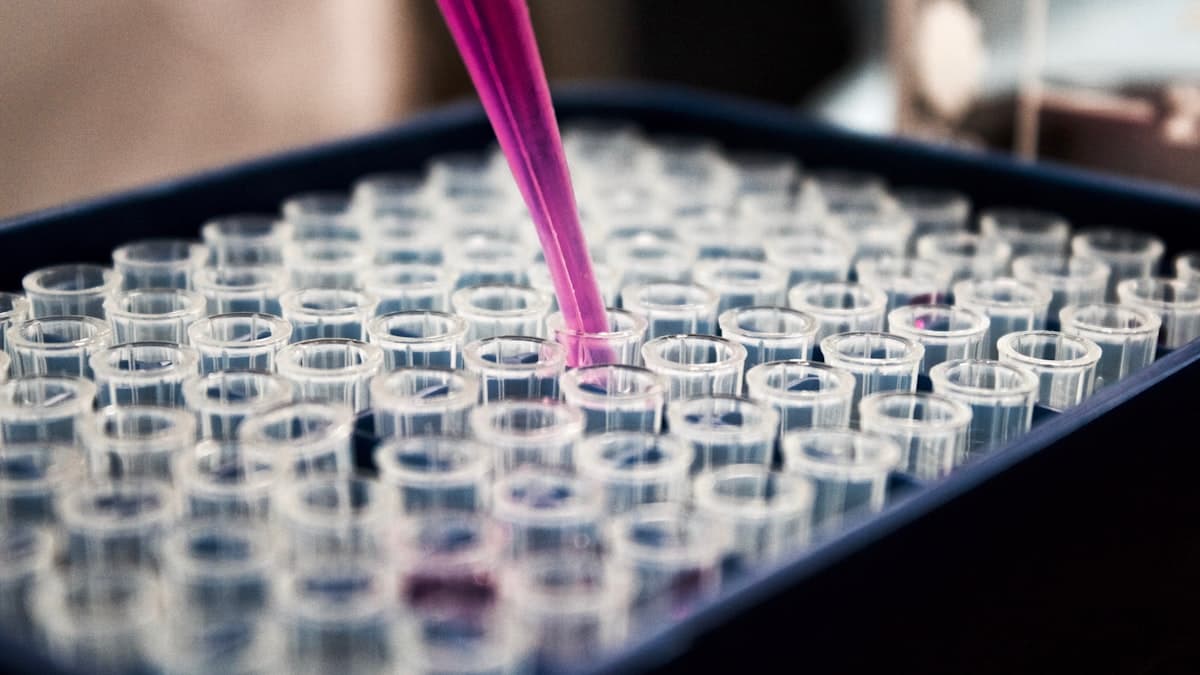
The slowest, riskiest step in many diagnostic labs is the one nobody talks about: turning analyser output into a finished report. A technician reads a value off a machine, types it into a template, formats it, and sends it out. Every one of those manual steps is a chance to mistype a decimal, swap two patients, or simply fall behind during a busy morning. Automated lab report generation removes the manual middle, so results flow from the analyser to a validated, branded report with far less human keying.
For a lab, this is where speed and accuracy are won or lost.
The Problem With Manual Reporting
Manual reporting fails in three predictable ways:
- Transcription errors — a misread or mistyped value, the most dangerous error in a lab
- Delays — formatting and typing reports one by one creates a bottleneck at the end of the workflow
- Inconsistency — reports look different depending on who made them, and reference ranges get missed
Each of these is solved not by working faster, but by removing the manual step entirely.
How Automated Report Generation Works
Analyser Integration
The lab's analysers connect directly to the software, so results post automatically against the right patient and test — no reading off a screen and typing into another. This single link removes most transcription risk.
Auto-Validation and Flagging
Results are checked against reference ranges automatically. Normal results can be auto-validated; abnormal or critical values are flagged for a qualified person to review — focusing human attention exactly where it's needed.
Templates and Branding
Reports generate in a consistent, professional format with the lab's branding, correct reference ranges, and units every time — no manual formatting.
Instant Digital Delivery
Finished reports are delivered the moment they're ready — via a secure patient portal, email, WhatsApp, or download — instead of patients returning to collect paper.
What It Changes
| Manual reporting | Automated generation |
|---|---|
| Values typed by hand | Posted from analyser automatically |
| Every result reviewed manually | Normal auto-validated, abnormal flagged |
| Inconsistent formatting | Consistent, branded templates |
| Patients collect paper | Instant digital delivery |
| TAT measured in hours | TAT measured in minutes |
Accuracy and Accountability
Automation does not remove the qualified reviewer — it focuses them. Critical values still get human sign-off, and every action is logged for quality and accreditation. This is exactly the kind of control NABL accreditation expects, and it pairs naturally with a lab sample tracking system so the whole chain from specimen to report is automated and auditable.
Choosing the Right System
- Analyser connectivity for your specific machines — confirm it in the demo.
- Auto-validation rules with flagging of abnormal and critical results.
- Customisable, branded templates with correct reference ranges.
- Multi-channel delivery — portal, email, WhatsApp, download.
- Audit trail and sign-off for quality and accreditation.
Automated reporting is the fastest way to cut turnaround time without adding staff. It is one module of a complete diagnostic lab management system; to see analyser-to-report automation on your lab's tests, book a demo.
Frequently Asked Questions
Related software
Ready to transform your healthcare business?
See how GoMeds AI can automate your operations, reduce costs, and improve patient outcomes with a personalized demo.
Tags
Written by Dr. Farah Khan
Published on 30 May 2026