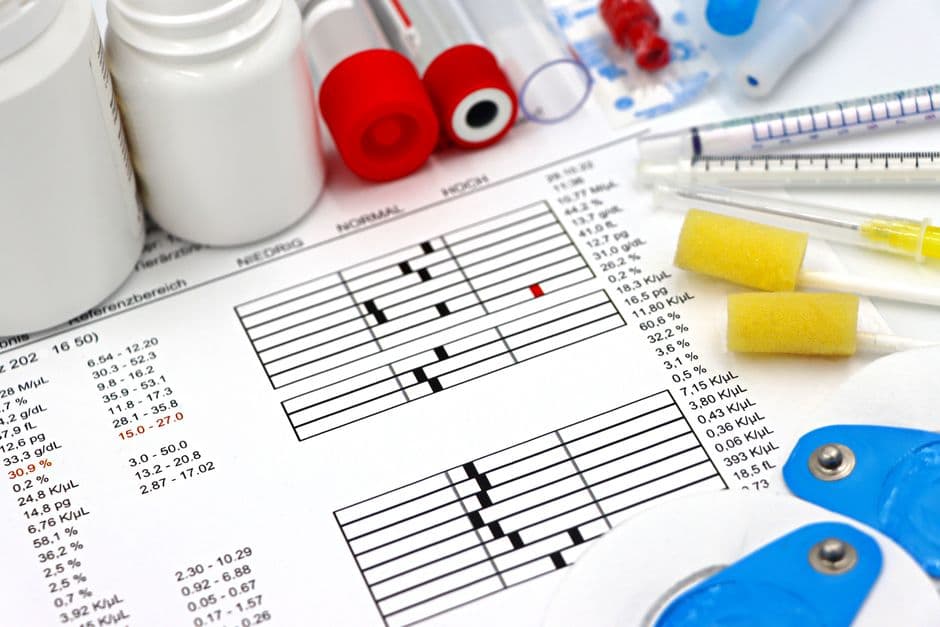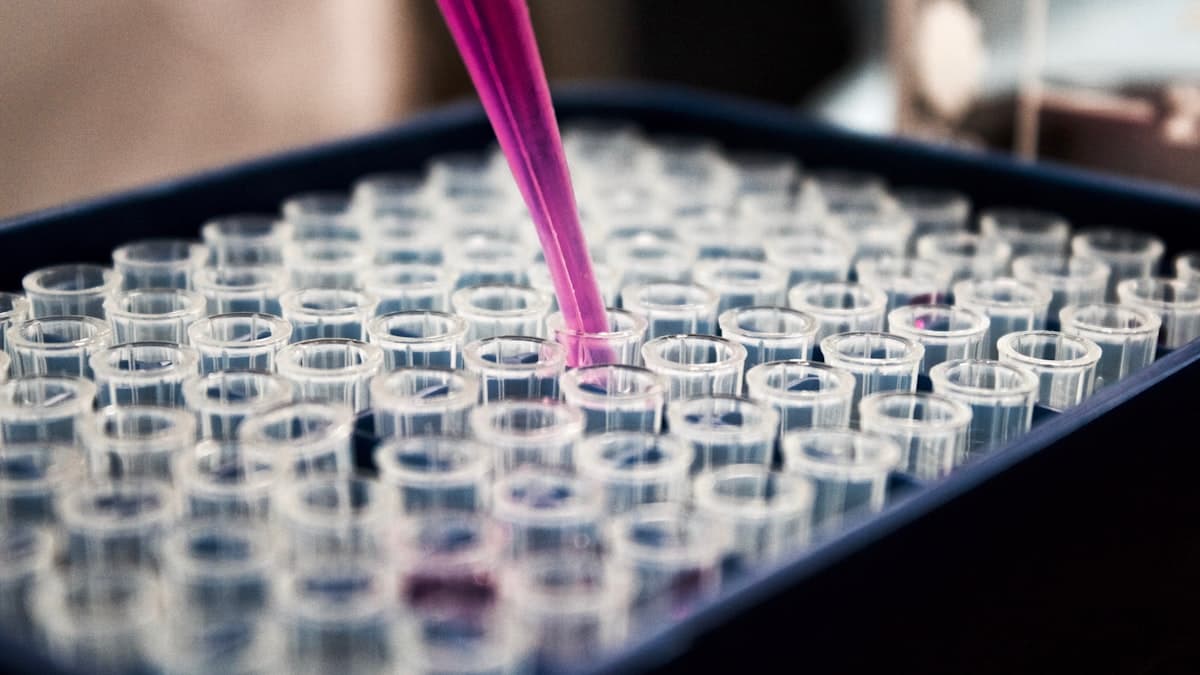
A diagnostic report is a decision that a doctor and a patient will act on. If it is wrong — a mixed-up sample, a mistyped value, a missed critical result — the consequences flow straight into treatment. Indian labs run enormous volumes with limited specialist time, and that combination is exactly where errors creep in. AI in diagnostic labs is about catching them before the report leaves the building.
Where AI Adds Value in a Lab
Critical value alerts. The most immediately useful application: the moment a result crosses a dangerous threshold, the system flags it for urgent attention, so a life-threatening value is never sitting unnoticed in a queue.
Anomaly and error detection. AI compares each result against the patient's history, against other results in the same panel, and against expected ranges, and flags what does not fit — a value inconsistent with the rest of the picture, a probable transcription error, a result that suggests a sample mix-up.
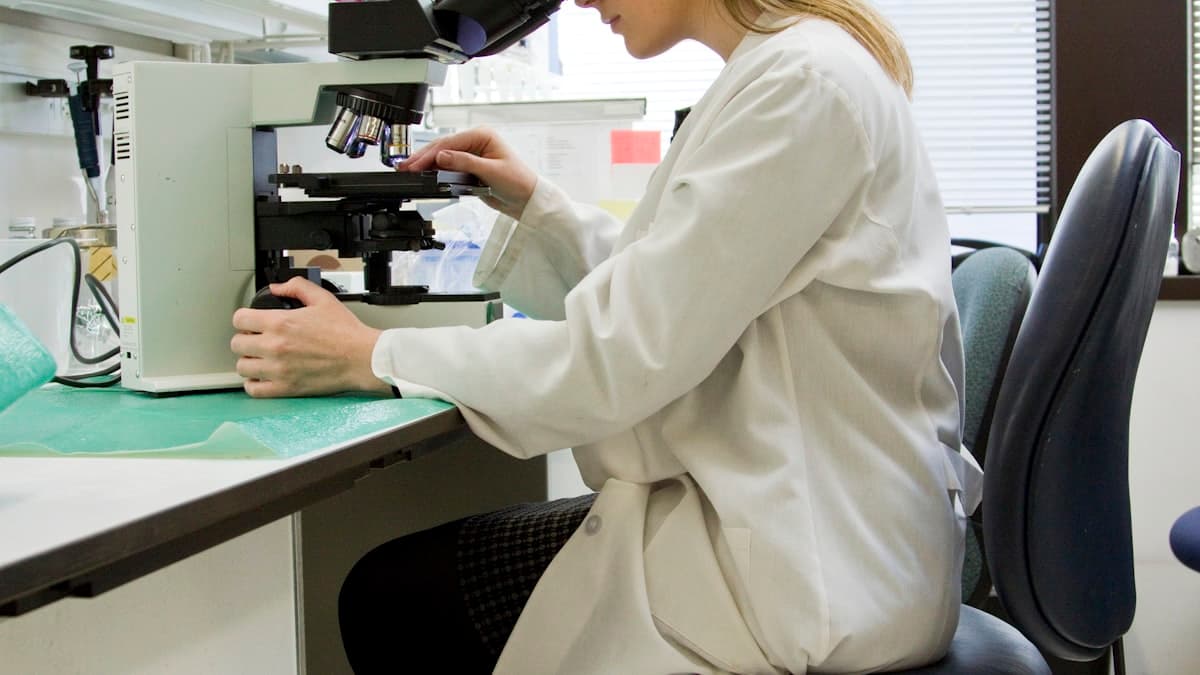
Image-based pathology support. For digital pathology and certain screening tasks, AI can pre-screen images and flag likely-abnormal ones, letting the pathologist focus attention where it matters — valuable in a country short on pathologists.
Reporting speed. By pre-populating structured reports and running checks automatically, AI shortens turnaround, which is both better care and a competitive edge for the lab.
The Pathologist Stays in Charge
This is the same principle that governs all clinical AI, and it matters especially in the lab. The AI flags critical values, screens images, and catches likely errors — but the pathologist interprets and signs. The report is not final until a qualified professional has verified it. AI lets a small number of specialists oversee a large volume safely; it does not remove the specialist from the loop.
It Is Not Only for Big Labs
There is a assumption that lab AI is for large reference labs with digital pathology setups. But the highest-frequency wins — critical-value alerts, error checks, faster reporting — apply just as much to a small standalone lab, and they come built into modern diagnostic lab software. A small lab that catches a critical value instantly and a transcription error before reporting is delivering materially safer service, whatever its size.
The Foundation: Clean, Connected Lab Data
AI's error-checking only works if it can see the full picture — the patient's history, the other results, the reference ranges — all in one system. That is why it belongs inside the lab's LIMS, where sample tracking, results, and reporting already live. When results flow from analysers into the system automatically (removing manual transcription in the first place) and the AI checks run on that connected data, errors are caught at the source. A lab running on paper and disconnected machines cannot get this benefit until its workflow is digital.
Adoption Advice
- Turn on critical-value alerts first. Highest safety return, lowest complexity.
- Use anomaly flags as a second check, not an auto-correct — the human verifies.
- Integrate analysers so data does not get retyped; transcription is a top error source.
- Track turnaround and error rates to prove the value with a healthcare analytics platform.
The Bottom Line
AI in diagnostic labs makes reporting faster and materially safer — catching critical values instantly, flagging likely errors and mix-ups, and screening images to stretch scarce specialist time. It does not replace the pathologist; it makes sure a stretched pathologist does not miss what matters. The prerequisite is clean, connected lab data in one system.
To see critical-value alerts and error checks built into lab reporting, explore GoMeds diagnostic lab software or request a demo.
Frequently Asked Questions
Related software
Ready to transform your healthcare business?
See how GoMeds AI can automate your operations, reduce costs, and improve patient outcomes with a personalized demo.
Tags
Written by Dr. Priya Nair
Published on 12 June 2026