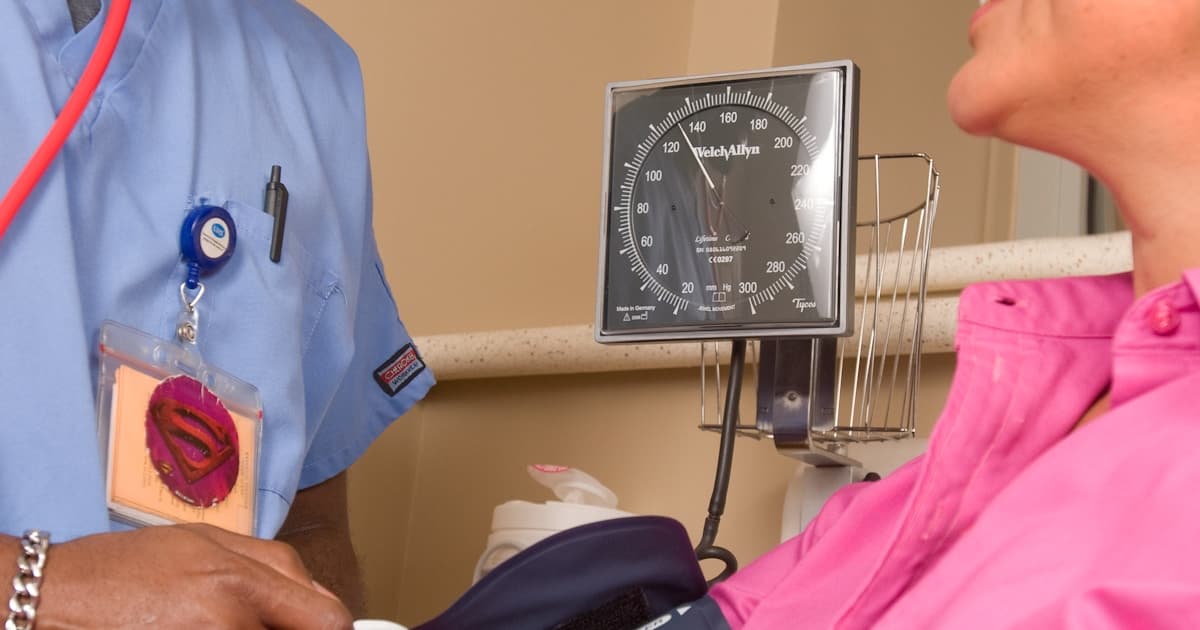
Last year, a patient I had been treating for hypertension for three years moved from Bengaluru to Kochi for work. He asked if he could continue consulting with me over video call.
My first instinct was to use WhatsApp video. It is what most of us do, right? Quick, familiar, no setup. I did a couple of consultations that way. Then I realised the problems.
I could not pull up his old records during the call. I could not write a proper digital prescription linked to his file. I had no record of the teleconsultation in my system. And when he needed a refill prescription sent to a pharmacy in Kochi, I ended up taking a photo of a handwritten prescription and WhatsApping it. Professional? Not exactly.
That is when I started looking at actual telemedicine software. Not because WhatsApp does not work — it does, in a pinch. But because doing teleconsultation properly requires more than a video call.
What "Proper" Teleconsultation Looks Like
The Telemedicine Practice Guidelines (TPG) issued by the Board of Governors of the Medical Council of India lay out what a legitimate teleconsultation should include:
- Patient identification and consent — documented, not assumed
- Clinical evaluation — structured enough to make a responsible diagnosis remotely
- Prescription — only certain categories of medicines can be prescribed via teleconsultation
- Documentation — the consultation must be recorded in the patient's medical record
- Follow-up — clear instructions on when to seek in-person care
WhatsApp video handles item 2 (sort of) and nothing else. Proper telemedicine software handles all five.

The Prescription Rules You Cannot Ignore
This is the part that trips up most doctors. The TPG restricts what you can prescribe via teleconsultation:
You CAN prescribe (List O — Over the Counter):
- Medications from a specified list of OTC and common medicines
- Refills of previously prescribed chronic medications (when the condition is stable)
- Medications from List A (specified medications) in certain situations
You CANNOT prescribe via first teleconsultation:
- Schedule H drugs to a patient you have never seen in person (for a new condition)
- Controlled substances
- Any medication requiring physical examination to justify the prescription
Important nuance: If you have an established relationship with the patient — meaning you have seen them in person before — you have more latitude. The guidelines are stricter for first-time teleconsultations with new patients.
My advice: Stay conservative. If you are unsure whether a medication is appropriate for remote prescription, bring the patient in. The regulations are still evolving, and it is better to be cautious than to face a medical council inquiry.
What to Look For in Telemedicine Software
Integration With Your Existing Records
This is the single most important criterion. If your telemedicine tool does not connect to the same patient database as your clinic software, you end up maintaining two separate systems. Nobody does that for long.
The patient's history, previous prescriptions, allergies, and lab reports should be visible on your screen during the video call. You should be able to write a prescription and add consultation notes to the same file that your in-clinic visits use.
GoMeds AI Doctor Practice Management includes built-in telemedicine with the patient record right alongside the video window — no toggling between apps.
Video Quality That Works on Indian Networks
Let me be realistic. Your patient in Varanasi might be on a 4G connection with three bars. Your patient in rural Maharashtra might be on Wi-Fi that drops every ten minutes.
Good telemedicine software adapts video quality to available bandwidth. It should:
- Work on 3G connections (audio-only mode as fallback)
- Reconnect automatically if the connection drops
- Allow the patient to join from a browser (no app download required)
- Compress video intelligently so it does not buffer every five seconds
Digital Prescription With Delivery Options
After the consultation, the patient needs a prescription. Your software should:
- Generate a digital prescription linked to the patient's record
- Include your registration number and digital signature
- Send it to the patient via WhatsApp, SMS, or email
- Allow the patient to forward it to a pharmacy for dispensing
Some platforms even integrate with pharmacy delivery services, so the patient can order their medicines directly from the prescription screen.
Appointment Scheduling and Payment
For teleconsultation to work as a regular part of your practice, you need:
- Online booking links that patients can access from your website or Google profile
- Pre-consultation payment (UPI, cards, net banking) so you do not chase fees
- Automated reminders before the appointment
- Waiting room functionality — the patient joins a virtual waiting room and you admit them when ready

How to Start Offering Teleconsultation (Without Disrupting Your Practice)
Phase 1: Follow-Ups Only (Week 1–4)
Start by offering teleconsultation to existing patients for follow-up visits only. You already know them. You have their records. The clinical risk is low.
Tell your regular chronic patients: "For your next review, you do not need to come in. We can do it over video." Most will be delighted.
Phase 2: Add Evening Slots (Month 2)
Add two or three teleconsultation slots in the evening — 7 PM to 9 PM. These are slots you would not be at the clinic anyway. It is incremental revenue with no additional infrastructure cost.
Many doctors I know make Rs 15,000 to Rs 30,000 per month from evening teleconsultation slots alone. Not life-changing, but not nothing either.
Phase 3: Open to New Patients (Month 3+)
Once you are comfortable with the workflow, start accepting new patient teleconsultations. Share your booking link on Google, Practo, or social media. Keep prescriptions conservative for first-time patients — follow the TPG guidelines strictly.
The Revenue Math
Let me lay it out simply:
| Scenario | Calculation |
|---|---|
| 3 teleconsultations per day | 3 x Rs 500 = Rs 1,500/day |
| 5 days per week | Rs 1,500 x 5 = Rs 7,500/week |
| Monthly revenue | Rs 30,000/month |
| Annual additional revenue | Rs 3,60,000/year |
And this is a conservative estimate — three consultations per day at Rs 500 each. Specialists charge Rs 800 to Rs 2,000 per teleconsultation.
The software cost? Rs 1,000 to Rs 3,000 per month. The ROI is obvious.
Common Concerns (Addressed Honestly)
"What if I miss something because I cannot examine the patient?"
You will miss things. That is the reality of remote medicine. The key is knowing your limitations. Teleconsultation is appropriate for:
- Follow-ups for known conditions
- Prescription refills for stable patients
- Initial triage — "should I come in or can this wait?"
- Mental health consultations
- Diet and lifestyle counselling
- Second opinions on reports
It is NOT appropriate for:
- Acute abdomen or chest pain
- Any condition requiring physical examination (auscultation, palpation)
- Paediatric patients under 12 (in most cases)
- Emergencies of any kind
Set clear expectations with patients. Your booking page should state what teleconsultation is and is not suitable for.
"My patients are not tech-savvy enough."
You would be surprised. If your patient uses WhatsApp video calling — and most smartphone users in India do — they can handle a teleconsultation. The best platforms let patients join by clicking a link in an SMS or WhatsApp message. No downloads, no accounts, no passwords.
"What about liability?"
The TPG provides a legal framework for teleconsultation. As long as you follow the guidelines — document the consultation, prescribe within the permitted categories, and recommend in-person visits when appropriate — you are practicing within established norms.
Keep records of every teleconsultation. The software should log the call duration, consultation notes, and prescription. This is your documentation if questions arise later.
The Bottom Line
Teleconsultation is not going to replace your clinic. But it is going to become a standard part of how Indian doctors practice. Patients expect it. The regulations support it. And the technology is mature enough that you do not need to be tech-savvy to use it.
Start small. Follow-ups for existing patients. Evening slots for extra revenue. Expand as you get comfortable.
If you want a telemedicine solution that plugs into your existing practice management — same patient records, same prescriptions, same billing — take a look at GoMeds AI. It is built for Indian doctors who want to add teleconsultation without managing a separate platform. Book a demo and try a mock teleconsultation.
Dr. Arjun Mehta is an internal medicine physician in Bengaluru who has been practising telemedicine alongside in-person consultations since 2020. He advises medical associations on teleconsultation best practices.
Frequently Asked Questions
Related software
Ready to transform your healthcare business?
See how GoMeds AI can automate your operations, reduce costs, and improve patient outcomes with a personalized demo.
Tags
Written by Dr. Arjun Mehta
Published on 21 March 2026