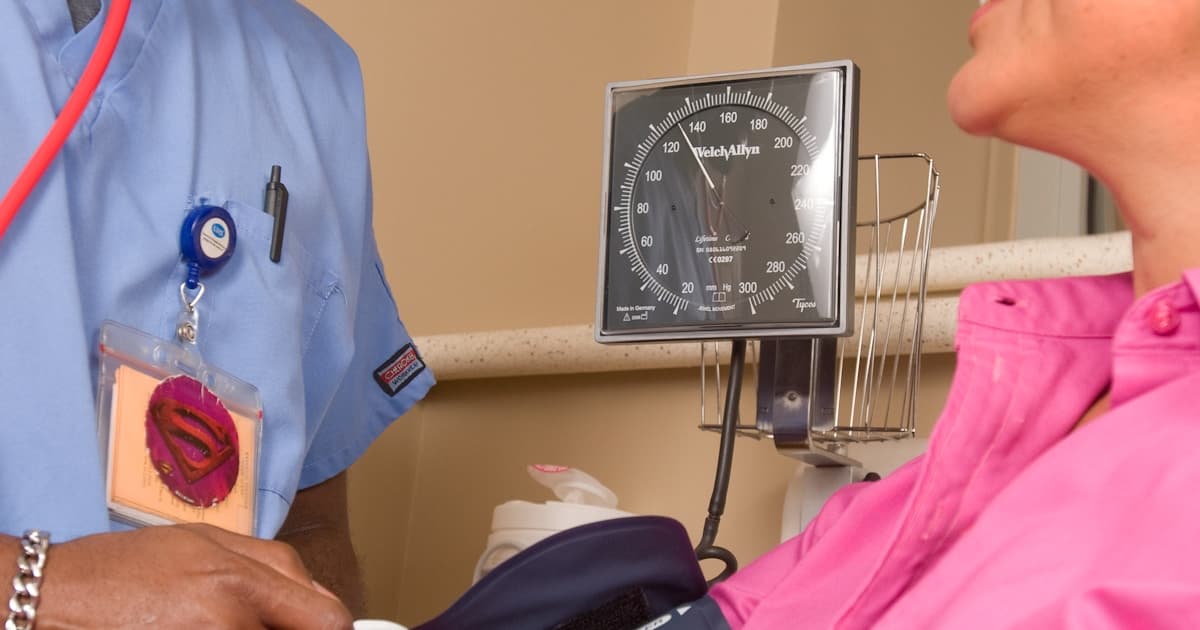
I am a GP in Nagpur. One room, one compounder, and between 30 and 50 patients a day depending on the season. When I tell software vendors my setup, they usually lose interest. "Sir, our solution is designed for clinics with three or more doctors." Thanks.
The others try to sell me a system built for a polyclinic — multiple doctor schedules, department management, insurance panels, lab integration. I do not need any of that. My compounder does not know how to use most of it. And honestly, I do not have time to learn it either.
After trying four different platforms over three years, I have figured out exactly what a solo doctor in India actually needs from software. It is surprisingly little. But that little has to work flawlessly.
The 5 Things You Actually Need
1. Fast Prescriptions (Under 30 Seconds)
This is the one feature that justifies the entire software investment. I write prescriptions for 40+ patients a day. Each prescription takes me 2 to 3 minutes by hand — selecting the right medicine, writing the dosage, the duration, the instructions.
With software, I have my top 30 prescriptions saved as templates. "URTI Standard" — one tap. Cetirizine 10mg, Amoxicillin 500mg, Paracetamol 650mg, with dosages and durations pre-filled. I adjust if needed and print. Total time: 15 to 20 seconds.
That saves me roughly 60 to 90 minutes per day. Every single day.
The prescription also looks professional, is legible (no pharmacist guessing my handwriting), and gets shared to the patient on WhatsApp so they never lose it.
2. Patient Records You Can Search by Phone Number
Forget complex EMR systems. I need one thing: when a patient walks in, I type their phone number and see their complete history — every visit, every prescription, every note I have made.
Phone number search is critical because names are unreliable. I have twelve patients named Ramesh Sharma. But each has a unique phone number.
3. A Daily Collection Summary
At the end of each day, I need to know: how many patients did I see, how much did I collect, and how much is outstanding (credit patients). One screen. One glance. That is my daily business health check.
4. Appointment Reminders (Optional but Valuable)
I started sending WhatsApp reminders to patients who book appointments the previous day. My no-show rate dropped noticeably. It is not critical for a GP where most patients walk in, but for specialists (dermatology, gynaecology, paediatrics) where appointments matter, this is a revenue protector.
5. Offline Mode
My internet goes down twice a week. Sometimes for an hour, sometimes for half a day. If my software stops working when the internet drops, my practice stops. That is non-negotiable. Billing and prescriptions must work offline. Sync when the connection returns.

What You Do NOT Need
Let me save you from the upselling:
- Multi-doctor scheduling — you are one doctor. A simple diary view is enough.
- Insurance and TPA module — unless you do cashless consultations (most solo GPs do not), skip it.
- Inventory management — you are not a pharmacy. You do not stock medicines.
- Complex analytics dashboards — you need three numbers: patients seen, money collected, money outstanding.
- Lab integration — your patients get tested at external labs. They bring you the reports. You do not need a digital pipeline.
Every feature you do not need is a feature that makes the software slower, more confusing, and more expensive.
Realistic Cost for a Solo Practice
| Item | Cost |
|---|---|
| Practice management app | Rs 500 – Rs 1,500/month |
| Tablet (if you do not have one) | Rs 12,000 – Rs 20,000 (one-time) |
| Thermal receipt printer | Rs 3,000 – Rs 5,000 (one-time) |
| First-year total | Rs 20,000 – Rs 40,000 |
Compare this with the value of 60 to 90 minutes saved daily. If you value your time at Rs 500 per hour (conservative for a doctor), that is Rs 750 to Rs 1,125 worth of time saved every working day. The software pays for itself in the first month.
Setting Up: The Weekend Plan
Saturday morning (2 hours):
- Install the app. Set up your profile — name, registration number, clinic address.
- Enter your drug favourites list. Start with your top 20 most-prescribed medicines. Add more over the next week.
- Create 5 to 8 prescription templates for your most common conditions.
Saturday afternoon (1 hour):
- Train your compounder on patient registration and billing. Show them three times. Let them try twice. That is usually enough.
- Set up the receipt printer.
Sunday:
- Do nothing. Let it rest.
Monday:
- Start using the software with real patients. Keep a paper backup for the first two days if it makes you comfortable. Most doctors stop needing the backup by Day 2.
The Multi-Location Problem
Many solo doctors in India consult at two or three locations — their own clinic, a nursing home, and maybe a hospital. This is where cloud-based software shines.
Your patient data lives in the cloud (on a secure server, not on your phone). When you are at Location A, you access the same records as Location B. A patient you saw at the nursing home yesterday comes to your clinic today — their prescription is right there.
Without cloud software, you would need to carry files, call your compounder to read out old prescriptions, or rely on the patient to remember what you prescribed.
GoMeds AI Doctor Practice Management App is built for exactly this use case — mobile-first, works offline, syncs across locations, and starts at a price point that makes sense for individual practitioners.
The "I Will Do It Later" Trap
I know doctors who have been saying "I will digitise my practice next month" for five years. There is never a perfect time. You will always have patients to see, paperwork to complete, and distributor calls to make.
But here is the thing. Every day without digital records is a day of patient data that is not searchable, not backed up, and not protected. Every prescription written by hand is a potential dispensing error. Every follow-up not reminded is a patient who might not come back.
Start this weekend. The setup takes four hours. The learning curve takes three days. The regret of not starting sooner lasts longer than both.
If you want something built for solo practitioners — not a cut-down version of enterprise software but a tool designed for how individual Indian doctors actually work — try GoMeds AI. Book a demo and test it with your own patient flow.
Dr. Sanjay Kulkarni has been running a solo general practice in Nagpur for 15 years. He consults at three locations and has been using digital practice management since 2022.
Frequently Asked Questions
Ready to transform your healthcare business?
See how GoMeds AI can automate your operations, reduce costs, and improve patient outcomes with a personalized demo.
Tags
Written by Dr. Sanjay Kulkarni
Published on 16 March 2026