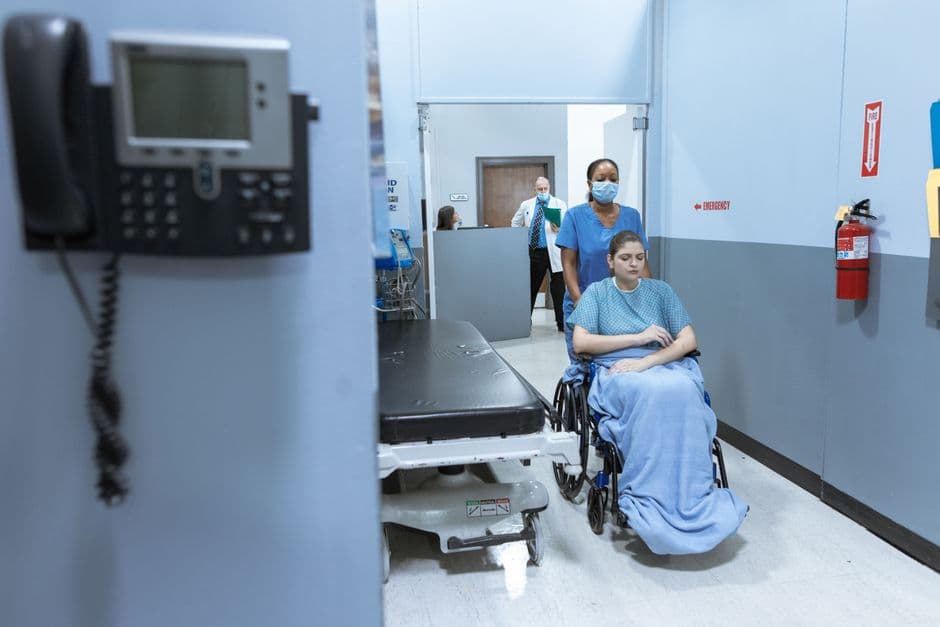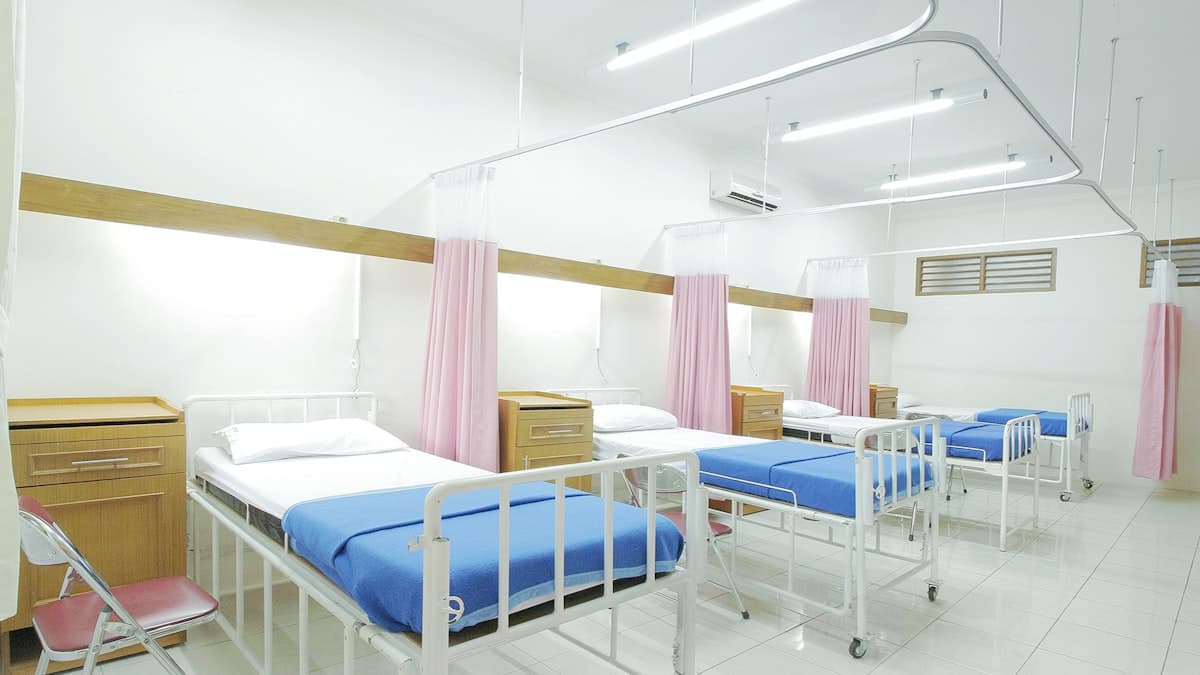
Bed management is one of those hospital problems that only becomes visible when it fails. On a normal day, nobody notices the beds. On a bad day, patients wait in corridors, admissions are turned away, and staff scramble — while, ironically, another ward sits half empty. AI bed demand forecasting exists to make the bad days rarer by seeing them coming.
Two Expensive Failures
Hospitals fail on bed capacity in two directions:
- Not enough beds when demand surges — overcrowding, corridor patients, diverted admissions, exhausted staff, and real safety risk
- Too many idle beds at other times — expensive capacity and staff sitting unused
Both are costly, and both stem from the same root cause: capacity is planned on averages and gut feel, while demand actually moves in patterns. Forecasting replaces the guesswork with those patterns.
What the AI Sees That Planners Miss
The model learns from the hospital's own history — admissions, discharges, and occupancy over time — and picks up patterns humans feel vaguely but cannot quantify:
- Seasonal surges — monsoon-related illness, seasonal infections, festival-period trauma
- Weekly rhythms — predictable Monday admission peaks, weekend discharge lulls
- Ward-level differences — each specialty has its own demand shape
- Trend shifts — a steady rise because a new service or nearby population is growing
With those patterns, it forecasts bed demand by ward and over the coming days and weeks — turning "we think next week is usually busy" into a number planners can act on.
What You Do With the Forecast
Like every forecast, it is only worth something if it drives decisions:
- Staffing — roster nurses and doctors to match predicted demand, not a flat average
- Elective scheduling — book planned admissions and surgeries into predicted-quiet windows, smoothing the load
- Surge readiness — prepare capacity ahead of a predicted peak instead of scrambling during it
- Discharge planning — anticipate when beds will free up and coordinate accordingly
The Honest Caveat
An emergency is, by definition, unpredictable in the individual case. Bed forecasting will never tell you a bus accident is coming on Thursday. What it does — reliably — is capture the seasonal, weekly, and trend patterns that make up the majority of demand, so the hospital plans around the predictable base and keeps a sensible buffer for the rest. That is a vast improvement over planning on averages, even though it is not clairvoyance.
It Depends on Live Flow Data
A forecast is only as good as its inputs. Bed forecasting needs accurate, real-time admission, discharge, and occupancy data — which lives in the hospital management system. If bed status is tracked on a whiteboard and updated late, no model can help. When bed management is digital and live, the forecast has clean data to learn from and the outputs reach the people who plan capacity. A healthcare analytics platform turns the forecasts into the dashboards operations leaders actually use.
The Bottom Line
Bed demand forecasting lets a hospital plan capacity and staffing around the patterns that actually drive demand, instead of reacting to each crisis. It reduces dangerous overcrowding and expensive idle capacity at the same time, and it smooths patient flow across the whole hospital. It cannot predict the unpredictable — but most demand is not unpredictable, and planning around the part that is patterned is where the win lives.
To see live bed management feeding capacity forecasting, explore the GoMeds hospital management system or request a demo.
Frequently Asked Questions
Related software
Ready to transform your healthcare business?
See how GoMeds AI can automate your operations, reduce costs, and improve patient outcomes with a personalized demo.
Tags
Written by Dr. Sunil Patil
Published on 15 May 2026