How CityCare Hospital Saved INR 32 Lakh Annually by Digitising Inventory Across 8 Departments
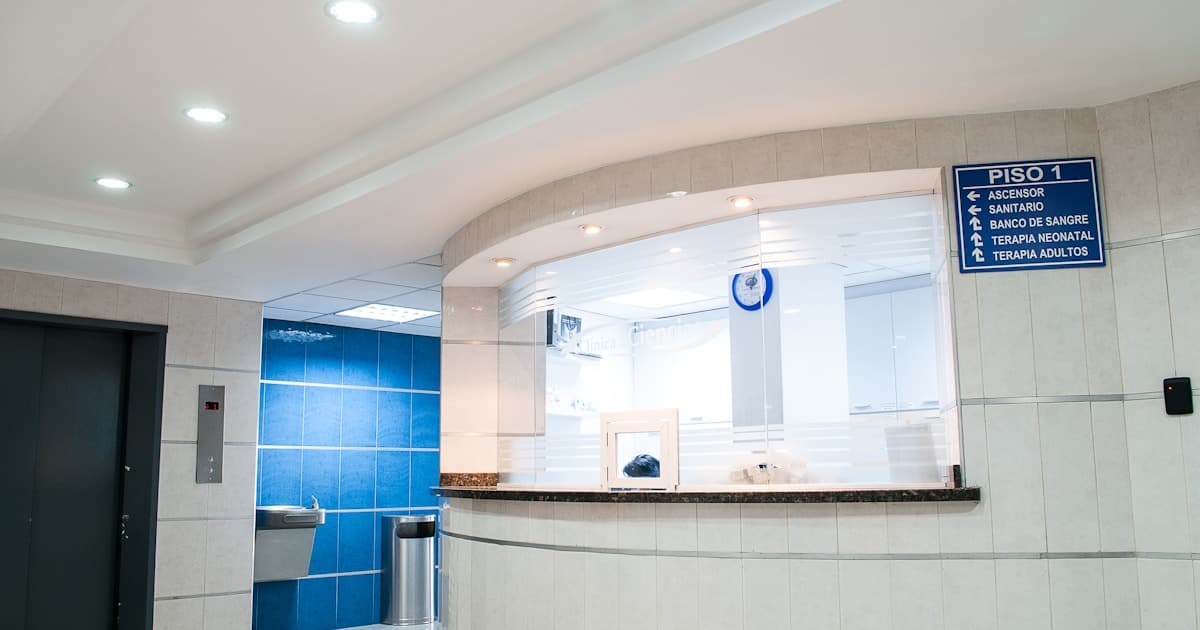
Executive Summary
CityCare Multi-Specialty Hospital in Chennai was losing INR 45 lakh annually to expired surgical consumables, manual indent delays, and zero visibility into department-wise consumption. GoMeds AI Healthcare Inventory Software brought centralised tracking across all 8 departments, resulting in 55% reduction in expired consumables, 70% faster indent processing, and INR 32 lakh annual savings.
The Challenge
CityCare Multi-Specialty Hospital, a 200-bed facility in Anna Nagar, Chennai, had been operating for 15 years with a manual inventory system that had not evolved beyond paper registers and Excel sheets. The hospital's central store managed over 4,000 SKUs including medicines, surgical consumables, implants, disposables, and general supplies. Eight departments -- General Medicine, Surgery, Orthopaedics, Gynaecology, Paediatrics, ICU, OT, and the in-house pharmacy -- each maintained their own sub-stores with independent stock registers.
The problems were systemic. Department indent requests were submitted on paper forms, physically carried to the central store, where the store manager manually checked availability and processed issues. This indent cycle took 2-3 days on average, and during emergencies, departments bypassed the system entirely by purchasing directly from local vendors at premium prices. Emergency purchases accounted for 18% of total procurement -- nearly double the industry best practice of under 10%.
Expired stock was the most painful financial drain. Without automated expiry tracking, consumables with short shelf lives (surgical sutures, catheter sets, specific injection vials) regularly expired on department shelves. The annual write-off for expired stock was INR 45 lakh, primarily concentrated in the OT (INR 18 lakh), ICU (INR 12 lakh), and pharmacy (INR 15 lakh). Nobody had real-time visibility into what was expiring when.
The hospital management, led by Dr. Lakshmi Narayan (Medical Director), had attempted to implement a generic ERP system three years earlier. The project failed because the software was not designed for hospital inventory complexities -- it could not handle batch and expiry tracking, did not understand department sub-store workflows, and required extensive customisation that the vendor could not deliver.
The Solution
GoMeds AI deployed Healthcare Inventory Software with a hospital-specific configuration that addressed CityCare's unique challenges. The implementation started with the central store and progressively expanded to all 8 department sub-stores over 10 weeks.
The central store was digitised first -- all 4,000 SKUs were catalogued with specifications, unit of measure, batch tracking requirements, and category classification (ABC analysis for value, VED analysis for criticality). Minimum, maximum, and reorder levels were set for the top 500 items based on 12 months of consumption data extracted from paper registers.
The department indent workflow was transformed. Instead of paper forms, department heads and nursing supervisors raised digital indents from their workstations or tablets. Indents were automatically checked against central store availability, routed through budget-based approval workflows, and issued with barcode scanning. The average indent processing time dropped from 2-3 days to 4 hours.
Expiry management was the most impactful change. Every item in the hospital was now tracked with batch and expiry information. The system generated daily reports of items expiring in the next 90, 60, and 30 days. For the OT, a FEFO (First Expiry First Out) protocol was enforced -- the system automatically recommended which batch to issue based on earliest expiry. Inter-department transfers were enabled for items approaching expiry that were needed in other departments.
For consumption tracking, GoMeds implemented patient-linked material issue for IPD patients. When a nurse issued supplies for a patient, the items were linked to the patient's admission record, and charges were automatically posted to the patient's bill. This eliminated the manual charge entry that previously missed 8-12% of consumable charges.
Implementation
Weeks 1-3: Central store deployment. 4,000 SKU master data creation. Stock audit and physical verification. Vendor master setup for 120+ suppliers.
Weeks 4-5: Digital indent workflow activation for Surgery, Ortho, and OT departments. Staff training on tablet-based indent requisition.
Weeks 6-7: Extended to General Medicine, Gynaecology, Paediatrics, and ICU. Patient-linked consumption tracking activated for IPD.
Weeks 8-10: In-house pharmacy integration. Procurement automation with auto-reorder. Analytics dashboards deployed for Medical Director and Finance team. FEFO enforcement across all departments.
Results
Annual expired stock write-off reduced from INR 45 lakh to INR 20 lakh -- a 55% reduction. FEFO enforcement in OT was the biggest contributor, reducing OT expiry losses from INR 18 lakh to INR 6 lakh. Inter-department transfer of near-expiry items saved an additional INR 8 lakh.
Average indent processing time reduced from 2-3 days to 4 hours. Emergency purchases dropped from 18% to 7% of total procurement, saving approximately INR 8 lakh annually in premium pricing avoided.
Total annual savings of INR 32 lakh from: reduced expiry losses (INR 25L), lower emergency purchases (INR 8L), offset by software investment (INR 1L). Additional revenue recovery of INR 6 lakh from previously unbilled patient consumables.
Real-time stock visibility across all 8 departments and central store. 4,000 SKUs tracked with batch and expiry details. Management dashboard showing inventory value, consumption trends, and expiry risk -- accessible from Dr. Narayan's phone.
“We tried a generic ERP three years ago and it was a disaster -- the vendor did not understand hospital inventory. GoMeds was different from the first meeting. They knew about batch tracking, FEFO, department sub-stores, and patient-linked consumption because their software was built for hospitals. The INR 45 lakh we were losing to expired stock every year was like a slow leak that nobody could see. Now I have a dashboard that shows me exactly what is expiring, where, and what action to take. The INR 32 lakh annual savings is paying for the software many times over.”
More Case Studies
Explore how other healthcare businesses achieved results with GoMeds AI.
CarePoint Hospital
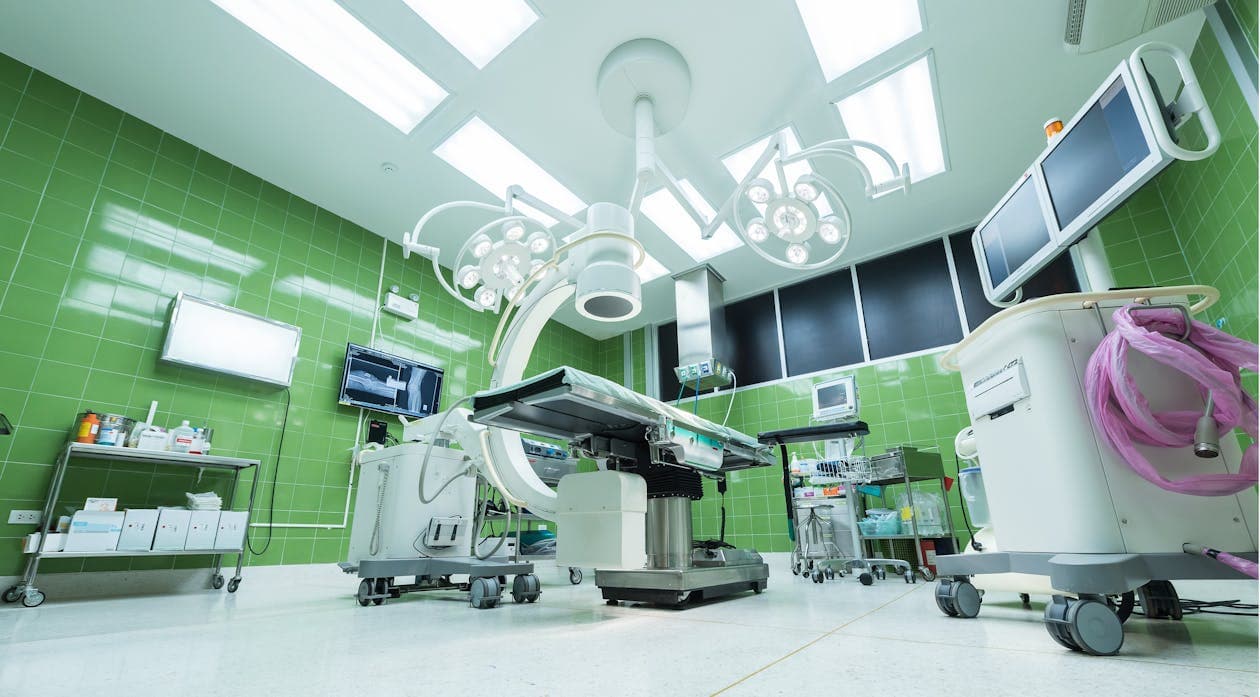
CarePoint Hospital, a 150-bed multi-specialty hospital in Hyderabad's HITEC City corridor, deployed GoMeds AI Hospital Management System to resolve chronic bed management inefficiencies and agonisingly slow discharge processes. Within four months, bed utilisation rose from 68% to 90%, average discharge time collapsed from 4.5 hours to 45 minutes, and the hospital unlocked ₹1.2 crore in additional annual revenue from optimised capacity.
PharmaFlow Distributors
PharmaFlow Distributors, one of Tamil Nadu's leading pharmaceutical distribution companies serving 500+ retail pharmacy dealers across Chennai, Coimbatore, and Madurai, deployed GoMeds Pharma Distribution Software to tackle chronic order fulfilment errors and mounting operational costs. Within six months, order accuracy improved from 82% to 95%, and the company saved over ₹25 lakh annually through automated order processing, intelligent route planning, and warehouse optimisation.
LifeCare Diagnostics
LifeCare Diagnostics, a pathology lab chain in Coimbatore, achieved NABL entry-level accreditation readiness in 90 days using GoMeds AI Diagnostic Lab Management Software. Report TAT dropped from 36 hours to 4 hours, sample rejection rate fell from 4.2% to 0.8%, and 85% of reports are now accessed via the patient portal.
Want Similar Results for Your Business?
See how GoMeds AI can transform your multi-specialty hospital operations. Request a personalised demo with ROI projections.
Ready to Get Started?
Explore the product behind this case study or talk to our team about your requirements.