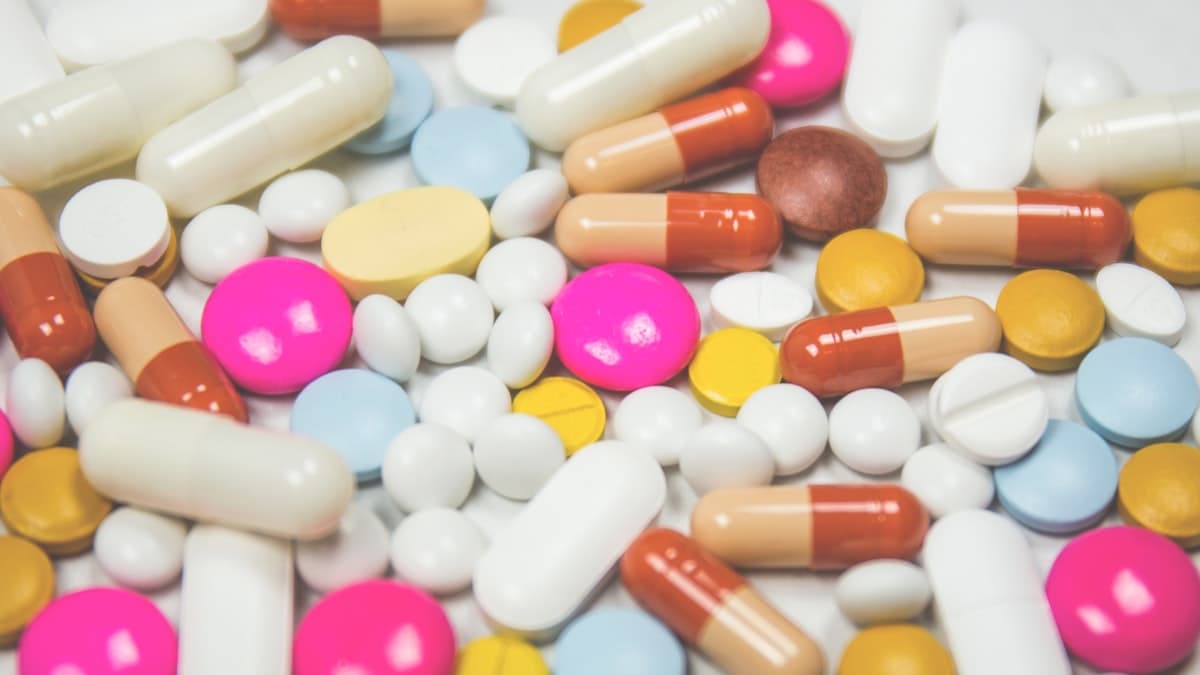
A pharmacy owner in Jaipur showed me his "dead stock shelf" last year. It was an entire rack — four shelves — of medicines that had expired or were expiring within the next 30 days. Eye drops, speciality creams, an insulin variant, imported supplements. He estimated the rack was worth Rs 1.8 lakh.
"Every pharmacy has a dead stock shelf," he said, matter-of-factly. "This is the cost of doing business."
No. It is not. It is the cost of doing inventory wrong.
I have spent the last six years working with pharmacies across North India on operations. Some are losing 4% to 5% of their purchase value to expired stock. Others lose less than 1%. The difference is not luck. It is discipline and — increasingly — software.
Here are the ten practices that separate the pharmacies that leak money from the ones that do not.
1. Know Your ABC — And Actually Use It
ABC analysis is the oldest trick in the inventory book. But most pharmacies do it once and forget about it.
- A items (top 20% of medicines by revenue) deserve weekly attention. These are your Dolo 650s, your Azithromycins, your insulin variants. A stockout of an A item means immediate revenue loss and a customer who goes elsewhere.
- B items (next 30%) need bi-weekly review.
- C items (bottom 50%) — the slow movers — need monthly review, but they are also where most expiry losses hide.
Here is the insight most pharmacies miss: your biggest expiry risk is in the C category, but your biggest stockout risk is in the A category. You need different strategies for each.
2. FEFO Is Not Optional — It Is Survival
First Expiry, First Out. Every time you dispense a medicine, the batch closest to expiry goes first. Simple concept. Brutally hard to execute manually when you have three batches of the same medicine with different expiry dates on the shelf.
The pharmacist at the counter is in a hurry. They grab the nearest strip. If the newest batch is in front (because it arrived yesterday and was shelved most recently), the older batch at the back expires.
Software solution: Pharmacy management software automatically selects the batch closest to expiry when billing. The pharmacist does not need to think about it. The system handles it.
Non-software workaround: Physically mark shelves with expiry dates using coloured stickers. Red for expiring within 60 days. Yellow for 60–120 days. Reorganise shelves monthly so the shortest-dated batch is in front.

3. Set Reorder Points Per Product, Not Per Category
"When something runs low, I reorder." That is the system most pharmacies use. The problem? "Runs low" is subjective, and by the time you notice, you have already lost sales.
Calculate your reorder point per product:
Reorder Point = (Average Daily Sales x Lead Time in Days) + Safety Stock
If you sell 5 strips of Amoxicillin 500mg per day and your distributor takes 3 days to deliver, your reorder point is:
(5 x 3) + 5 (safety stock) = 20 strips
When stock drops below 20 strips, reorder. Do not wait until you are down to the last strip. The math is simple. The discipline of doing it for 3,000 products is what makes software valuable.
4. Track Expiry in Three Windows
Most pharmacies check expiry once a quarter — if that. By the time they find expiring stock, it is too late to do anything about it.
Set up three alert windows:
- 90 days before expiry: Flag the product. Can you increase its visibility? Put it in front? Recommend it more actively?
- 60 days before expiry: Contact the distributor. Many Indian distributors accept returns for stock with 45+ days of shelf life. But you need to initiate the return early.
- 30 days before expiry: Last resort. Can you transfer it to another branch? Sell it at a discount? Donate it to a charitable clinic?
If a medicine hits 0 days with stock remaining, your three-window system failed somewhere.
5. Stop Ordering on Gut Feeling During Scheme Season
Distributor schemes are a trap for pharmacies without data. "Buy 100, get 20 free" sounds great until you realise you sell only 8 units a month. You just bought a 15-month supply, and the expiry is 12 months away.
Before accepting any scheme, check:
- What is your average monthly sales for this product?
- How many months of supply are you buying?
- What is the expiry date of the scheme stock?
If the scheme stock will expire before you can sell it, the "free" goods are worthless. This is basic math, but scheme excitement overrides basic math surprisingly often.
6. Negotiate Returns Before You Need Them
Every distributor has a return policy. Most pharmacy owners do not know what it is until they have a pile of expiring stock.
At the start of your relationship with each distributor, clarify:
- What is the minimum shelf life for returns? (Most accept 3 to 6 months)
- Is there a return limit as a percentage of purchases?
- How is the credit processed — against the next order or as a refund?
- What documentation do you need to initiate a return?
Document this. When you need to return Rs 50,000 of near-expiry stock, you do not want to be negotiating terms for the first time.
7. Separate Your Ethical and OTC Stock Analysis
Ethical medicines (prescription drugs) and OTC products (supplements, personal care, FMCG) behave very differently:
- Ethical drugs are driven by doctor prescriptions. A new doctor opening a clinic nearby can spike demand for certain molecules. A doctor retiring or relocating can kill demand overnight.
- OTC products are driven by seasons, promotions, and customer preferences. They are more predictable but also more competitive.
Analyse them separately. Your reorder strategy, margin calculations, and stockout tolerance should be different for each category.

8. Do a Dead Stock Audit Every Month (Not Every Quarter)
Once a product sits on your shelf without a single sale for 90 days, it is dead stock. Do not wait six months hoping someone will ask for it.
Monthly dead stock audit:
- Pull a report of all products with zero sales in the last 90 days
- For each item, decide: transfer to another branch, return to distributor, sell at discount, or write off
- Calculate the total dead stock value as a percentage of total inventory
- Track this percentage monthly — it should trend downward
A healthy pharmacy keeps dead stock below 3% of total inventory value. If yours is above 5%, you have a purchasing discipline problem.
9. Use Inter-Store Transfers (If You Have Multiple Locations)
This is the single biggest inventory optimisation opportunity for pharmacy chains, and most waste it.
Medicine X is expiring in 45 days at your Andheri store. It is selling well at your Thane store. Instead of returning it to the distributor (with potential credit hassles), transfer it to Thane where it will sell before it expires.
Without software, this requires your store managers to call each other, compare stock lists, and arrange transfers manually. Nobody does this consistently.
With centralised pharmacy software, the system identifies transfer opportunities automatically. "Store A has 40 strips of Product X expiring in 50 days. Store B has 5 strips left and sells 3 per day. Recommended: transfer 25 strips." One click to approve.
10. Measure What Matters
You cannot improve what you do not measure. Track these four metrics monthly:
| Metric | Target | Why It Matters |
|---|---|---|
| Expiry loss rate | Below 1.5% of purchases | Direct margin impact |
| Stockout rate (A items) | Below 2% | Revenue protection |
| Inventory turnover ratio | 8–12 times per year | Working capital efficiency |
| Dead stock percentage | Below 3% of inventory value | Cash locked in unsellable stock |
If you do not know these numbers right now, that itself is a sign you need better inventory management.
The Software Question
Can you implement all ten practices without software? Technically, yes. Practically? For a single-location pharmacy with fewer than 1,000 SKUs and a very disciplined owner, maybe.
For anyone managing more than 2,000 SKUs, multiple distributors, or more than one location — software is not a convenience. It is a necessity. The volume of data (expiry dates, batch numbers, reorder points, sales velocity) exceeds what any human can track manually without errors.
GoMeds AI Pharmacy Management Software automates FEFO billing, reorder alerts, expiry tracking, dead stock identification, and inter-store transfers. If inventory losses are eating into your margins, book a demo and see what the data reveals about your stock.
Deepak Verma is a pharmacy operations consultant based in Jaipur. He has worked with 80+ independent pharmacies and pharmacy chains across Rajasthan, Gujarat, and Maharashtra on inventory optimisation and profitability improvement.
Frequently Asked Questions
Related software
Ready to transform your healthcare business?
See how GoMeds AI can automate your operations, reduce costs, and improve patient outcomes with a personalized demo.
Tags
Written by Deepak Verma
Published on 28 February 2026