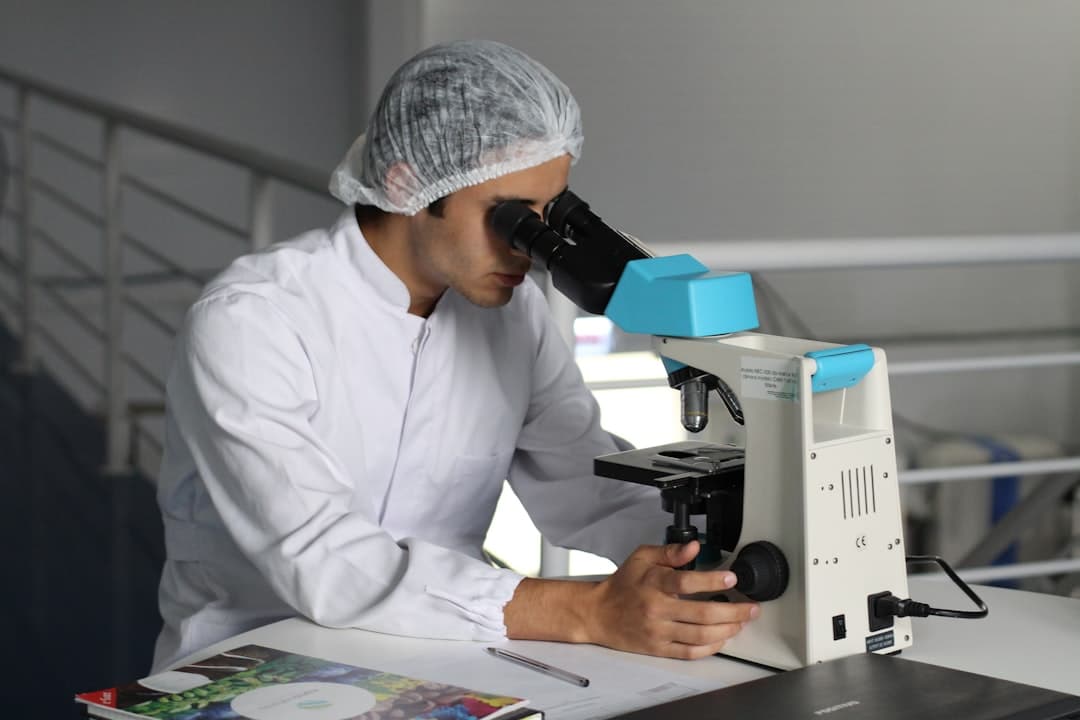
I run a pathology lab in Aurangabad. We process about 120 tests a day — mostly CBCs, blood sugar, lipid profiles, thyroid panels, and urine analysis. Three technicians, two collection assistants, and one data entry person who types results into a Word template for each patient.
For years, I assumed LIMS was for the big labs — the SRL Diagnostics and Thyrocares of the world. The price quotes I got confirmed this: Rs 8 lakh upfront, Rs 2 lakh annual maintenance, six months of implementation. For a lab doing Rs 25 lakh in annual revenue, those numbers made no sense.
Then a colleague in Nashik told me he found a cloud-based LIMS for Rs 8,000 a month. I was sceptical. Could something that cheap actually work?
Eighteen months later, I have my answer: yes, with caveats.
Why Small Labs Need LIMS More Than Big Ones
This might sound counterintuitive, but hear me out. Large labs have resources to throw at problems — more staff, dedicated quality teams, IT departments. A transcription error in a large lab gets caught because there are multiple checkpoints.
In a small lab, there are fewer safety nets. When my data entry person copies a creatinine value from the analyser display to a Word document, there is nobody double-checking. The pathologist reviews the final report, but if the number was wrong from the start, they are reviewing wrong data.
The smaller your team, the more you need systematic error prevention. That is what LIMS does — it removes manual steps where errors creep in.
What a Small Lab LIMS Should Do (And Nothing More)
Small labs do not need the 50-module LIMS built for reference laboratories. You need five core functions:
1. Sample Registration With Barcodes
When a patient's sample arrives, it gets a barcode. That barcode is the sample's identity for the rest of its journey. No more handwritten labels. No more "which tube was Sharma ji's?" The barcode eliminates sample mix-ups — the most dangerous error a lab can make.
A basic barcode printer costs Rs 8,000 to Rs 12,000. Barcode labels cost about 50 paise each. The investment is trivial compared to the risk it eliminates.
2. Analyser Interfacing
This is the feature that justifies the entire LIMS investment for small labs. Instead of your technician reading values from the analyser screen and typing them into a template, the analyser sends results directly to the software.
The result: zero transcription errors. The decimal point problem I mentioned at the start of this article? It cannot happen if the analyser talks directly to the LIMS.
Most modern analysers — even budget ones from Mindray or Erba — support interfacing. Ask your LIMS vendor: "Have you interfaced with my specific analyser model at another lab?" Not "can you interface" — "have you interfaced."
3. Auto-Formatted Reports
The LIMS should generate reports that look professional:
- Patient details pre-filled from registration
- Results populated automatically from the analyser
- Reference ranges shown alongside results
- Abnormal values highlighted or flagged
- Pathologist name and digital signature
- Your lab's branding, NABL logo (if accredited), FSSAI number (if applicable)
Your data entry person goes from creating reports to verifying them. That is a fundamentally different (and faster, and safer) job.
4. WhatsApp and SMS Report Delivery
In 2026, calling patients to collect reports is not acceptable. The moment the pathologist verifies a report, the patient should receive a WhatsApp notification with a PDF link.
This feature alone reduces your front desk workload and improves patient experience. No more "your report will be ready by evening, please call back."
5. Basic QC Tracking
If you are NABL-accredited or planning to be, you need daily Internal Quality Control documentation. The LIMS should:
- Log IQC values daily
- Plot Levy-Jennings charts automatically
- Apply Westgard rules and flag violations
- Maintain an accessible history for inspections
For NABL-specific requirements, refer to the NABL assessment criteria or reach out to our team for compliance guidance.

What It Costs for a Small Lab
Cloud-based LIMS has made lab software affordable. Here is what to expect:
| Lab Size | Monthly Cost | Includes |
|---|---|---|
| Micro lab (30–50 tests/day) | Rs 3,000–6,000 | Registration, reporting, WhatsApp delivery |
| Small lab (50–150 tests/day) | Rs 6,000–12,000 | + analyser interfacing, QC tracking |
| Medium lab (150–300 tests/day) | Rs 12,000–25,000 | + collection centres, advanced analytics |
Analyser interfacing may have a one-time setup cost of Rs 10,000 to Rs 30,000 depending on the analyser model.
Compare this with the cost of a single sample mix-up (reputational damage, potential legal liability) or the cost of manual report typing (one full-time data entry person at Rs 12,000 to Rs 15,000 per month). The LIMS often costs less than the manual labour it replaces.
The Implementation Reality
Small lab LIMS implementation is much faster than hospital software:
Week 1: Master data setup — test list, reference ranges, report templates, doctor panel list. This takes one to two days of focused work.
Week 2: Analyser interfacing. This is the technical step that depends on your vendor. Some vendors do it remotely, others send a technician. Budget two to three days.
Week 3: Staff training. Registration, reporting workflow, QC entry. For a three-person team, half a day of training is usually sufficient.
Week 3–4: Go live. Run parallel with your old system for three to five days. Verify that results match. Once you are confident, switch fully.
Total: 3–4 weeks. Not six months. Not three months. Three to four weeks.
Common Concerns Addressed
"My staff is not computer-literate." LIMS designed for small labs has simplified interfaces. If your staff can use WhatsApp, they can use the software. The most complex action they perform is clicking "verify" on a report. Everything else is automated.
"What if the internet goes down?" Good cloud LIMS has offline mode for critical functions — sample registration and report generation continue locally and sync when connectivity returns.
"I only do 40 tests a day. Is it worth it?" If even one of those 40 tests has a transcription error, and that error affects a clinical decision, the LIMS was worth it. But financially, at 40 tests per day, look for the most affordable option (Rs 3,000 to Rs 5,000 per month range).
The Bottom Line
Small diagnostic labs in India have been underserved by LIMS vendors for years — quoted enterprise prices for enterprise software they did not need. Cloud-based LIMS has changed that equation. For the price of a data entry staff member's salary, you get error prevention, faster turnaround, NABL-ready QC, and a patient experience that builds referral trust.
GoMeds AI Diagnostic Lab Management Software is built for Indian labs of all sizes — from single-location pathology labs to multi-centre diagnostics chains. Analyser interfacing, auto-reporting, WhatsApp delivery, and NABL QC tracking are included in every plan. Request a demo to see it work with your test menu.
Dr. Sunil Patil is a pathologist and lab owner in Aurangabad, Maharashtra. He has been running diagnostic lab operations for 11 years and adopted cloud LIMS in 2024.
Frequently Asked Questions
Related software
Ready to transform your healthcare business?
See how GoMeds AI can automate your operations, reduce costs, and improve patient outcomes with a personalized demo.
Tags
Written by Dr. Sunil Patil
Published on 17 March 2026