

Why Your Pharmacy Needs an AI-Powered POS System
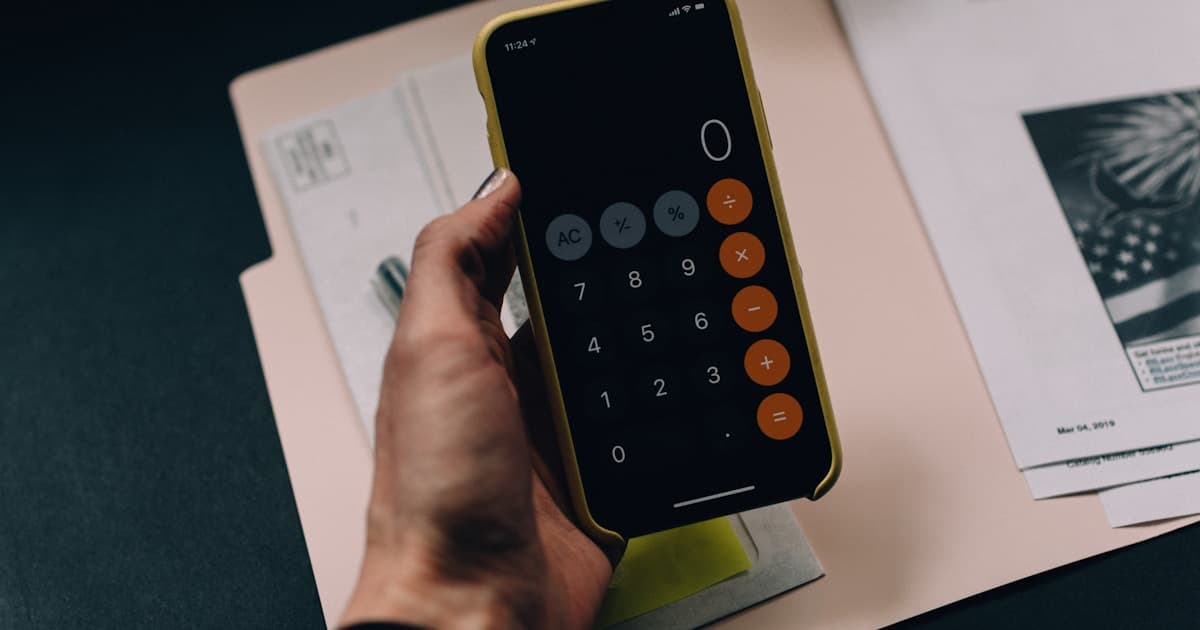
The traditional pharmacy billing counter in India is a bottleneck. During peak hours, typically 9-11 AM and 6-9 PM, customers queue up while billing staff manually search for medicines, calculate discounts, apply GST rates, and generate invoices. A single bill can take 3-5 minutes, leading to frustrated customers and lost sales.
An AI-powered pharmacy POS (Point of Sale) system changes this entirely. By combining barcode scanning, intelligent product search, automated tax calculations, and AI-driven suggestions, modern POS systems reduce billing time to under 30 seconds per transaction. For a busy pharmacy in Bengaluru or Delhi processing 200+ bills daily, that is a transformative improvement.
GoMeds AI Pharmacy Management Software includes one of the most advanced pharmacy POS systems built specifically for Indian pharmacies, handling everything from GST-compliant invoicing to drug interaction warnings.
What Makes a Pharmacy POS Different from Retail POS?
Unlike a standard retail POS used in grocery stores or clothing shops, pharmacy POS systems must handle unique requirements specific to pharmaceutical retail:
Drug Schedule Compliance
Every time a Schedule H or H1 drug is dispensed, the POS must capture prescription details, doctor information, and patient data. A generic retail POS simply cannot handle this. Under the Drugs and Cosmetics Act, failing to maintain these records can result in license suspension.
Batch and Expiry Tracking
Medicines are sold by batch, and each batch has a unique expiry date. The POS must automatically select the batch with the nearest expiry (FEFO - First Expiry, First Out) to minimize wastage. A pharmacy stocking Paracetamol 500mg might have 4-5 different batches at any given time, each with different expiry dates and potentially different purchase prices.
Complex Pricing and Discounts
Pharmacy pricing involves MRP-based selling (unlike cost-plus pricing in other retail), varying discount percentages from distributors, and multiple GST slabs (0%, 5%, 12%, 18%) depending on the product category. The POS must handle all these calculations instantly and accurately.
Drug Interaction Alerts
When a customer purchases multiple medicines, the POS should check for potentially dangerous drug interactions. For example, if a patient buys both Warfarin and Aspirin, the system should alert the pharmacist about the increased bleeding risk.
Key Features of an AI-Powered Pharmacy POS
Intelligent Product Search
Instead of scrolling through thousands of medicines, AI-powered search understands what the pharmacist is looking for even with partial names, misspellings, or generic/brand name substitutions. Type "Amox" and it immediately shows Amoxicillin across all available brands and formulations. Search for "Crocin" and it can also suggest the generic equivalent Paracetamol if the branded product is out of stock.
Smart Batch Selection
The AI automatically selects the optimal batch for each sale based on multiple factors:
- FEFO compliance to prevent expiry wastage
- Margin optimization when multiple batches have different purchase prices
- Stock balancing to clear small remaining quantities
- Return period consideration for items within distributor return windows
Automated GST Calculations
Indian pharmacy products fall under multiple GST categories:
| Category | GST Rate | Examples |
|---|---|---|
| Essential medicines | 5% | Life-saving drugs, vaccines |
| Standard medicines | 12% | Most prescription drugs |
| Premium/OTC products | 18% | Protein supplements, cosmeceuticals |
| Exempt | 0% | Contraceptives, certain ayurvedic preparations |
The AI POS automatically applies the correct GST rate based on the HSN code, eliminating manual errors that can cause issues during GST audits. For a pharmacy processing INR 10 lakh of monthly sales, even a 1% error rate in GST calculations can lead to significant discrepancies.
Multi-Payment Integration
Modern customers expect payment flexibility. An AI pharmacy POS supports:
- UPI payments (Google Pay, PhonePe, Paytm) with QR code generation
- Card payments through integrated card machines
- Cash with auto change calculation
- Credit accounts for regular customers with credit limit management
- Split payments combining multiple payment methods
- Insurance/TPA billing for covered medications
Prescription Management
When a customer presents a prescription, the POS can:
- Scan and digitally store the prescription image
- Auto-populate medicines from the prescription
- Check for substitutions if a prescribed brand is unavailable
- Suggest generic alternatives with price comparisons
- Track prescription refill schedules
- Link the prescription to the customer profile for future reference
For more on digital prescription management, see our guide on digital prescription management for clinics.
How AI Enhances the Billing Experience
Predictive Billing Suggestions
Based on customer purchase history and the current prescription, the AI can suggest complementary products. If a customer is buying antibiotics, the system might suggest probiotics. If they purchase diabetes medication, it could suggest a glucometer or sugar-free products. This intelligent upselling can increase average bill value by 15-20% without being pushy.
Real-Time Drug Interaction Alerts
The AI cross-references every item in the bill against known drug interaction databases. Pharmacists in India often serve walk-in customers who may be taking medications prescribed by different doctors. The POS acts as a safety net, flagging interactions such as:
- Severe interactions that require immediate pharmacist attention
- Moderate interactions that require dosage adjustments
- Mild interactions that the pharmacist should be aware of
Voice-Assisted Billing
For pharmacists in smaller towns who may not be comfortable with keyboard-based product search, AI-powered voice search allows them to simply speak the medicine name. The system recognizes medicine names in English, Hindi, and regional languages, making the billing process accessible to all.
Automatic Return Processing
When customers return medicines, the POS handles the entire workflow:
- Validates the return against the original bill
- Checks if the items are within the return window
- Generates credit notes with proper GST adjustments
- Updates inventory and batch records automatically
- Manages refunds across the original payment method
Setting Up Your AI Pharmacy POS
Hardware Requirements
A typical pharmacy POS setup in India requires:
| Component | Cost Range (INR) | Purpose |
|---|---|---|
| Computer/Tablet | 15,000-35,000 | Running POS software |
| Barcode Scanner | 1,500-5,000 | Quick product scanning |
| Thermal Printer | 3,000-8,000 | Receipt printing |
| Cash Drawer | 2,000-5,000 | Secure cash management |
| UPI QR Display | 500-2,000 | Digital payments |
Total hardware investment typically ranges from INR 22,000 to INR 55,000, which most pharmacies recover within 2-3 months through efficiency gains and reduced errors.
Software Configuration
Setting up the POS software involves:
- Product master import with all medicines, their HSN codes, GST rates, and MRPs
- Opening stock entry with batch-wise details
- Payment mode configuration including UPI integration
- Receipt template customization with your pharmacy branding
- User role setup for billing staff, pharmacists, and managers
- Shortcut key configuration for frequently used functions
Staff Training
Most pharmacy billing staff can learn an AI-powered POS in 2-3 days. Focus training on:
- Basic billing workflow (scanning, searching, completing sale)
- Handling returns and exchanges
- Understanding drug interaction alerts
- End-of-day settlement and cash reconciliation
- Emergency procedures when internet is down (offline mode)
Measuring POS Performance
Track these KPIs to ensure your POS system is delivering results:
- Average billing time should be under 45 seconds
- Billing errors should drop below 0.1% of total transactions
- Customer wait time should be under 3 minutes during peak hours
- Daily bill count should increase by 20-30% with faster processing
- Average bill value should increase with AI-powered suggestions
- Return rate should decrease with accurate dispensing
Integration with Pharmacy Operations
Your POS should not operate in isolation. It needs to connect with your broader pharmacy management system:
- Inventory management for real-time stock updates after each sale
- Purchase module to trigger automatic reorder when stock is low
- Accounting system for automatic ledger entries and GST reports
- Customer CRM for loyalty programs and purchase history
- Analytics dashboard for sales insights and trend analysis
Ready to transform your healthcare business?
See how GoMeds AI can automate your operations, reduce costs, and improve patient outcomes with a personalized demo.
Tags
Written by GoMeds AI Team
Published on 5 March 2026