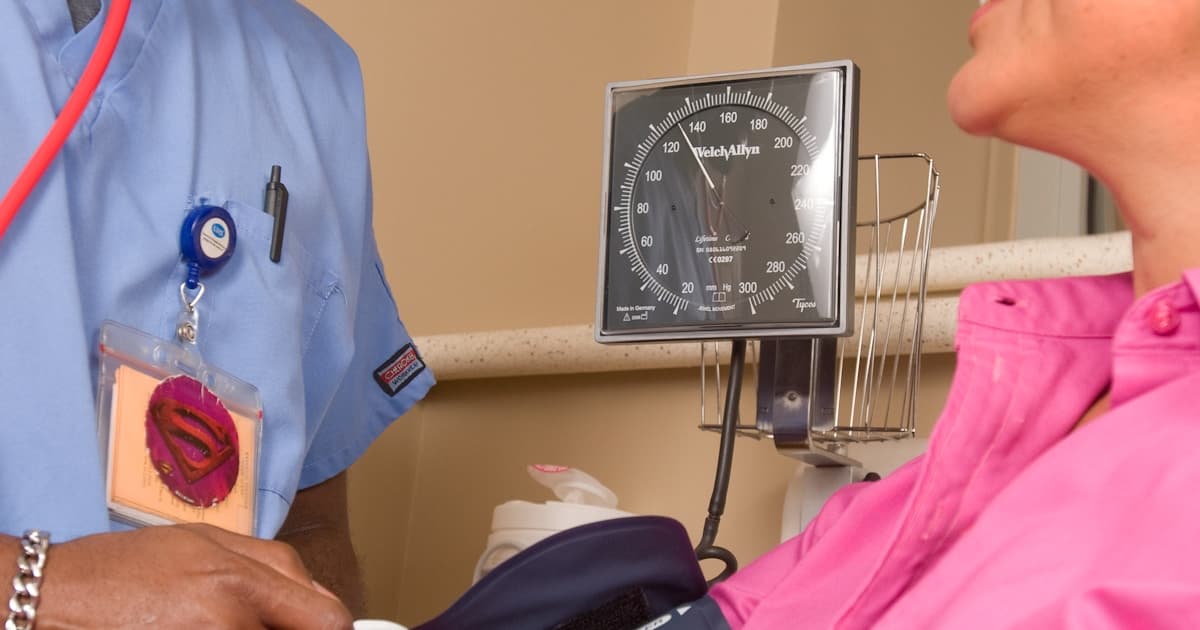
Telemedicine in India went from novelty to necessity in a very short time, and the Telemedicine Practice Guidelines 2020 gave it a clear legal footing. But a remote consultation has a fundamental constraint: the doctor cannot examine the patient physically, and the consult time is often short. AI in telemedicine is about making the most of that constrained interaction — not by replacing the doctor, but by strengthening everything around the consult.
The Constraint AI Addresses
An in-person visit has slack — the walk in, the vitals taken by staff, the small talk that surfaces information. A teleconsult is compressed and remote. If the doctor spends the first few minutes gathering basic history and the last few typing notes, very little of the short window is actual clinical attention.
AI reclaims that window by handling the wrapper around the consult:
Structured intake before the call. The patient (or an assistant) provides symptoms, history, and any readings in advance, so the doctor starts the call already informed instead of gathering basics live.
Documentation during the call. Ambient or assisted note-taking drafts the record as the consult happens, so the doctor is not typing while trying to connect with a patient through a screen.
Triage and routing. Before the consult, AI can help route the patient to the right kind of doctor and flag anything that clearly needs in-person or emergency care rather than a video call.
Follow-up after. Automated, targeted follow-up ensures the patient adheres to the plan and returns if needed — critical when there is no physical clinic to anchor the relationship.
Staying Inside the Guidelines
This is where discipline matters. The Telemedicine Practice Guidelines set the rules: a registered practitioner conducts the consult, makes the diagnosis, and issues any prescription, with restrictions on certain categories of medicines. AI must operate strictly inside that frame. It can gather, document, route, and remind. It must never diagnose or prescribe on its own, or blur the line so a patient thinks software is their doctor.
Used as support for a registered doctor, AI makes teleconsults better. Used to automate the clinical decision, it breaks both the guidelines and patient safety.
The Privacy Dimension
A teleconsultation generates sensitive data — video, audio, symptoms, prescriptions — all covered by the DPDP Act. The platform must use secure, encrypted connections, capture proper consent, protect the records, and be clear about where data goes. This is not optional polish; it is a legal and ethical baseline. Ask any telemedicine vendor exactly how they secure consultations before you trust them with patients.
It Belongs in Your Practice System
Telemedicine works best when it is not a separate silo. When the teleconsult, its notes, the prescription, and the follow-up flow into the same practice management or clinic software the doctor uses for in-person patients, the patient has one continuous record whether they were seen on screen or in the room. A standalone video tool that leaves records scattered undermines the continuity that good care depends on.
The Bottom Line
AI does not fix the core limitation of telemedicine — that the doctor cannot physically examine the patient. What it does is make the short, remote interaction far more productive by handling intake, documentation, triage, and follow-up, so the doctor's attention goes to the patient. Kept strictly within the Telemedicine Practice Guidelines and built on a secure, connected platform, it makes remote care in India genuinely work.
To see teleconsultations, records, and follow-up in one system, explore GoMeds doctor practice management or request a demo.
Frequently Asked Questions
Related software
Ready to transform your healthcare business?
See how GoMeds AI can automate your operations, reduce costs, and improve patient outcomes with a personalized demo.
Tags
Written by Dr. Neha Kapoor
Published on 26 June 2026