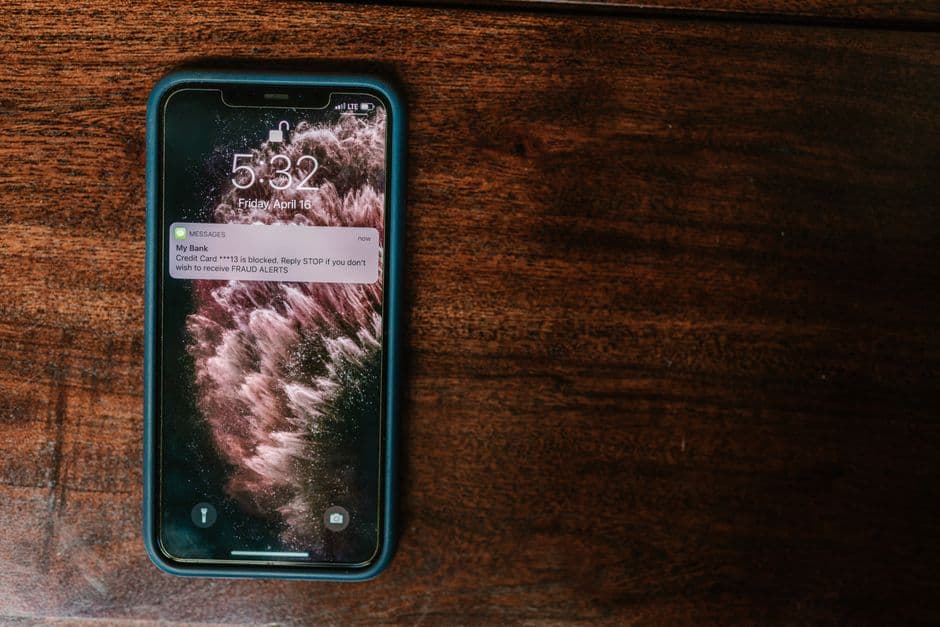
No-shows are the quietest way a clinic loses money. There is no dramatic event — just an empty chair, a doctor waiting, and revenue that never happened. Because it is invisible, most clinics never add it up. When they do, the number is uncomfortable: in many Indian OPDs, 15 to 25 percent of booked slots go unfilled.
AI no-show prediction does not magically make patients turn up. What it does is tell you which appointments are at risk, early enough to do something about it.
The Problem With Treating Every Slot the Same
Most clinics send the same reminder to everyone, or no reminder at all. But a first-time patient who booked three weeks ago for a Monday 10 AM slot is far more likely to miss it than a regular who booked yesterday for this afternoon. Treating both identically wastes effort on the reliable patient and under-protects the risky slot.
Prediction changes that. The model learns from your own booking history which factors correlate with no-shows:
- Whether the patient has missed appointments before
- How long ago the appointment was booked (long lead times = higher risk)
- Day of week and time of day
- Type of appointment
- Whether it was confirmed
It then scores each upcoming appointment, so you know where to focus.
What You Actually Do With the Prediction
A prediction is only useful if it drives an action. There are three, in increasing order of aggressiveness:
1. Targeted reminders. Send extra reminders — ideally on WhatsApp — to the high-risk appointments, with a one-tap way to confirm or reschedule. This is the safest, highest-return move, and it works.
2. Waitlist filling. When a high-risk slot is likely to open, have a waitlist ready so you can offer it to another patient if the first cancels or does not confirm.
3. Smart overbooking. For slots the model flags as very likely to be missed, book a second patient. Done modestly and only on genuinely high-risk slots, this recovers capacity. Done carelessly, it creates a crowded waiting room when everyone shows. Start conservative.
Why Reminders Come First
If you do nothing else, do reminders well. Automated, timely reminders with easy rescheduling are the lowest-risk, highest-return intervention, and in India, WhatsApp is the channel that actually gets read. AI simply makes reminders smarter by concentrating the extra nudges where the risk is highest, rather than spamming your reliable patients.
Keeping It Human
A word of caution: do not treat no-show prediction as a way to punish patients. The goal is to fill capacity and serve more people, not to profile anyone. Patients miss appointments for real reasons — work, transport, money, care responsibilities. A gentle, easy reschedule serves them and you better than a rigid system.
Why It Belongs in Your Clinic Software
No-show prediction only works on your own booking data, and it only drives action if it is wired into scheduling and reminders. That means it belongs inside your clinic management software, where the appointment calendar, the patient history, and the reminder system already live. A standalone prediction tool that cannot send a reminder or see the calendar is just a report.
When scheduling, patient records, and automated reminders share one system, the prediction turns into action automatically — high-risk slots get an extra nudge and a waitlist standby without your front desk having to think about it.
The Bottom Line
Empty slots are lost revenue and lost capacity to help patients. AI no-show prediction, paired with good WhatsApp reminders and a waitlist, converts a chunk of those empty slots back into seen patients. Start with smarter reminders, add waitlists, and only then experiment cautiously with overbooking.
To see prediction, scheduling, and reminders working together, explore GoMeds clinic management software or request a demo.
Frequently Asked Questions
Related software
Ready to transform your healthcare business?
See how GoMeds AI can automate your operations, reduce costs, and improve patient outcomes with a personalized demo.
Tags
Written by Nikhil Joshi
Published on 17 June 2026